Why Ukraine Is Moving Maternity Care Underground
Jennifer Johnson ·
Listen to this article~4 min
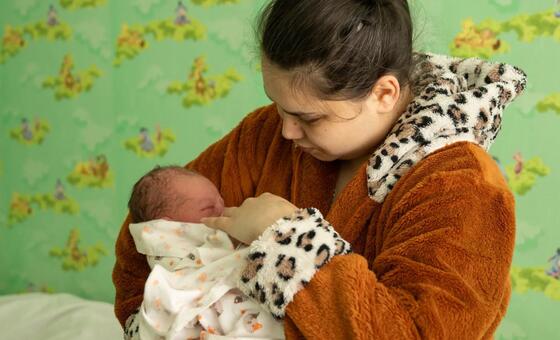
As war disrupts healthcare in Ukraine, underground maternity units in Kharkiv offer new hope for safe childbirth in frontline regions.
When you think about where babies are born, a hospital room probably comes to mind. But in Ukraine, that picture is changing in ways most of us never imagined.
As the war enters its fifth year, the country's healthcare system is running on fumes. The situation in frontline regions is especially dire. Women there face constant disruptions in getting the care they need — from routine gynecological checkups to prenatal and postpartum support.
### The Reality on the Ground
It's not just about inconvenience. We're talking about life-and-death situations. Pregnant women in combat zones can't exactly schedule a doctor's visit when missiles are flying overhead. And for survivors of gender-based violence, finding help has become nearly impossible.
The numbers tell a grim story:
- Maternal health services have been disrupted in nearly every conflict-affected region
- Access to emergency obstetric care is severely limited
- Support systems for sexual and reproductive health have broken down
- Women are traveling miles further just to reach a functioning clinic
### A New Kind of Safety Net
Here's where things get interesting. With support from the United Nations, Kharkiv is now equipping underground facilities specifically designed for expectant mothers and newborns. Think of them as bunkers with a purpose — not just shelters, but fully functional medical spaces.
These aren't makeshift basements with a few cots. They're being outfitted with proper medical equipment to handle deliveries and provide postnatal care. The goal is simple: give women a safe place to give birth, even when the surface world becomes too dangerous.
### Why This Matters Beyond Ukraine
You might be wondering why this story matters to you. Here's the thing — this situation is a stark reminder of how fragile healthcare systems can be. Whether it's war, natural disasters, or pandemics, we've all seen how quickly normal services can fall apart.
The approach being taken in Kharkiv could serve as a blueprint. If underground maternity care works in a war zone, imagine what it could mean for disaster preparedness elsewhere. Hospitals in hurricane-prone areas, earthquake zones, or other high-risk regions might learn something from this.
### The Human Cost Behind the Headlines
Let's not lose sight of what's really at stake here. Behind every statistic is a woman who just wants to hold her baby safely. A mother who's terrified of going into labor during an air raid. A family forced to choose between staying home or seeking safety miles away.
"Every pregnancy should be a time of joy, not fear," says one healthcare worker involved in the project. "These underground units give women back a measure of dignity and safety."
### What Comes Next
The road ahead is long. Even with these new facilities, the challenges remain enormous. Staffing shortages, supply chain issues, and the constant threat of attacks all continue to strain the system.
But here's the thing about resilience — it builds on itself. Each successful delivery in those underground wards is a small victory. Each mother who gets proper care is a testament to human determination.
For now, the international community watches closely. The hope is that these underground maternity units will become a model not just for Ukraine, but for any region facing extreme circumstances. Because when it comes to bringing new life into the world, safety shouldn't be a luxury.
This story is still unfolding. And while the outcome remains uncertain, one thing is clear: even in the darkest times, people find ways to protect what matters most.