Why Ukraine Is Moving Maternity Wards Underground Right Now
David Brown ·
Listen to this article~5 min
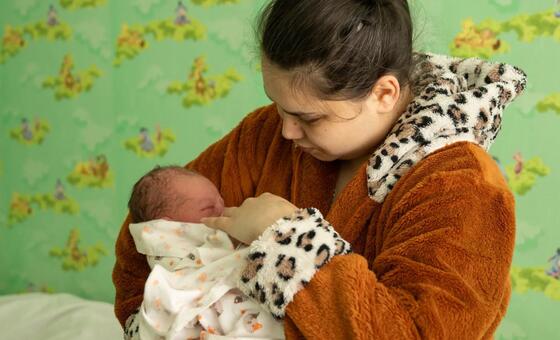
As the war enters its fifth year, Ukraine is moving maternity care underground with UN support. Discover how these hidden units are protecting mothers and newborns in frontline regions.
When you're expecting a baby, the last thing you want to think about is where you'll give birth. But for thousands of women in Ukraine, that's not a luxury they can afford. As the war grinds into its fifth year, the healthcare system is stretched to its absolute breaking point. And in the regions closest to the front lines, the situation has become so dire that officials are literally moving maternity wards underground.
You read that right. With support from the United Nations, underground maternity and newborn care units are being set up in Kharkiv. It's a dramatic step, but one that makes perfect sense when you think about the alternative. Above ground, hospitals are vulnerable to shelling and airstrikes. Below ground, they offer a fighting chance for mothers and babies to survive the most dangerous moments of their lives.
### The Reality of War and Pregnancy
Let's be honest for a second. War is chaotic, and pregnancy doesn't pause for diplomacy. For women in frontline areas, the struggle to access basic care has become a daily battle. We're not talking about elective procedures here. We're talking about gynecological checkups, prenatal visits, and the kind of postpartum support that can mean the difference between a healthy recovery and a serious complication.
It's not just about the physical care, either. The psychological toll is enormous. Imagine trying to stay calm for your baby's sake while sirens wail in the background. Imagine wondering if the hospital you're scheduled to deliver at will even be standing by the time you get there. That kind of stress isn't just uncomfortable. It's dangerous for both mother and child.
### What the Underground Units Actually Provide
So what does an underground maternity ward look like? It's not just a basement with a few beds. These are fully equipped facilities designed to handle the most critical needs:
- **Safe delivery rooms** for labor and birth, shielded from outside threats
- **Neonatal care** for newborns who might need extra attention in their first hours
- **Postpartum recovery spaces** where mothers can rest and heal without constant fear
- **Support for survivors of gender-based violence**, which has tragically increased during the conflict
The goal is simple: to ensure that no woman has to choose between her safety and her baby's health. And in a war zone, that's a profound form of care.
### Why This Matters Beyond Ukraine
You might be thinking, "This is a tragedy happening thousands of miles away. How does it affect me?" It's a fair question. But here's the thing. What happens in Ukraine right now is a test case for how the world responds to crises that disrupt essential healthcare. The strategies being developed there, like underground maternity units, could inform how we handle disasters, natural or otherwise, in the future.
> "In war, the most basic human rights, like giving birth safely, become acts of defiance."
It's also a reminder that reproductive health is not a luxury. It's a core part of public health, even in the most extreme circumstances. When we see organizations like the UN stepping up to fund these projects, it's a recognition that this care is non-negotiable, no matter the circumstances.
### A Glimmer of Hope Underground
Look, I'm not going to sugarcoat this. The situation is bleak. But there's something quietly heroic about building a place where life can begin, even when everything around it is falling apart. These underground wards are more than just concrete rooms. They're statements that even in the darkest times, we refuse to give up on the future.
For the women who will give birth in these facilities, it might not feel heroic. It might just feel like survival. But that's exactly what makes it so powerful. In a world that often feels like it's on fire, creating a safe space for new life is an act of profound hope.
So while the headlines might focus on the missiles and the politics, let's take a moment to think about the mothers, the babies, and the medical staff working in the shadows below the streets of Kharkiv. They're not just surviving. They're showing us what resilience really looks like.