UN's 2027 Budget: A $3.4 Trillion Shake-Up?
Sarah Jenkins ·
Listen to this article~5 min
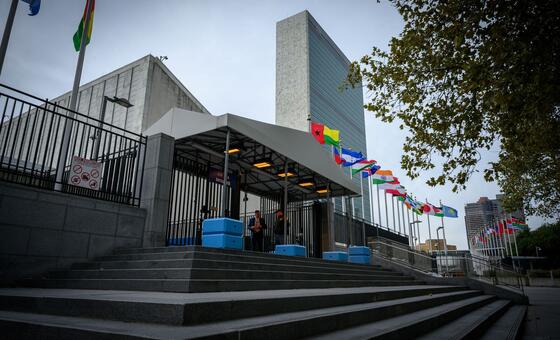
UN Secretary-General António Guterres proposes a $3.408 billion budget for 2027, a 1.2% cut from 2026. The plan maintains 11,150 jobs while investing in Nairobi and Geneva projects.
When was the last time you heard about the United Nations cutting costs? It's not exactly a common headline, right? But that's exactly what's on the table for 2027. UN Secretary-General António Guterres just dropped a proposal that's got everyone talking, and it's all about doing more with less.
### The Numbers Behind the Proposal
At the heart of it, Guterres is asking member states to approve a program budget of $3.302 billion. That's the core funding for all the UN's programs and operations. But here's where it gets interesting: the total budget actually climbs to $3.408 billion once you factor in some big-ticket items. We're talking major construction projects in Nairobi and a strategic heritage plan in Geneva. Those aren't small line items—they're investments in the UN's physical footprint.
But even with those extras, the overall budget is still 1.2% lower than what was approved for 2026. That's a reduction of $40.8 million. In UN terms, that's real money. And it's not just about trimming a few expenses here and there; it's a deliberate shift in how the organization operates.
### Why the Cut? It's Not Just About Money
You might be wondering, why now? Well, there's a few reasons. First, the UN has been under pressure from member states—especially the big contributors like the US—to tighten its belt. There's a growing sentiment that the organization needs to be more efficient, more accountable. Second, the world has changed. The pandemic accelerated a shift to remote work, and the UN is no exception. With more staff working from home, the need for massive office spaces in expensive cities like New York is diminishing.
That's why part of the plan involves relocating some personnel from New York to Nairobi. It's not just about saving on rent; it's about being closer to the communities they serve. And in Geneva, the focus is on preserving the UN's heritage—those historic buildings and archives that tell the story of international cooperation. It's a balancing act between cutting costs and maintaining the UN's presence and legacy.
### What About Jobs?
Now, the proposal does include maintaining 11,150 positions. That's a lot of jobs, and it's a clear signal that the UN isn't gutting its workforce. But it's also not expanding. The emphasis is on keeping the current headcount while finding savings elsewhere. In a way, it's a vote of confidence in the existing staff—they're being asked to do more with the same resources.
But let's be real: any budget cut comes with tough choices. The UN has to prioritize. And that means some programs might see reduced funding, while others get a boost. It's a delicate dance, and member states will have their say before anything is final.
### The Bigger Picture
So what does this mean for the average person? Well, the UN's work touches everything from peacekeeping to humanitarian aid to climate change. A leaner budget could mean more efficient operations, or it could mean scaled-back efforts in some areas. It all depends on how the cuts are implemented.
One thing's for sure: this proposal is a sign of the times. International organizations are being forced to adapt to a world where resources are tight and expectations are high. The UN is trying to show that it can be both effective and fiscally responsible. Whether it succeeds is another question.
### What Happens Next?
The proposal now goes to the UN General Assembly, where member states will debate and likely modify it. This is where the real negotiations begin. Countries will push for their priorities, and compromises will be made. The final budget might look different from what Guterres proposed, but the direction is clear: the UN is looking to streamline.
For now, it's a waiting game. But one thing is certain—the conversation about the UN's budget is a window into its future. And that future is all about finding the sweet spot between ambition and pragmatism.
So, next time you hear about the UN, remember: it's not just about grand speeches and global summits. It's also about the nitty-gritty of budgets, jobs, and buildings. And those details matter more than you might think.