UN's 2027 Budget: The $40 Million Question Everyone's Asking
Emily Johnson ·
Listen to this article~3 min
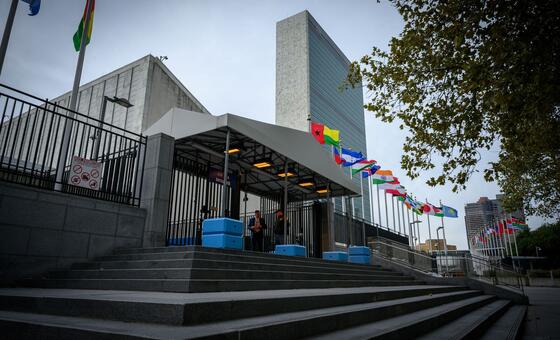
UN Secretary-General António Guterres proposes a $3.302 billion budget for 2027, cutting 1.2% from 2026. With construction in Nairobi and heritage plans in Geneva, the total hits $3.408 billion. Here's what it means for global professionals.
### A Leaner UN? The 2027 Budget Proposal Explained
António Guterres didn't mince words on Tuesday. The UN Secretary-General stood before member states and laid out a budget for 2027 that's smaller than last year's—and that's no accident.
Here's the headline number: $3.302 billion for the program budget. That covers 11,150 positions. But when you factor in big construction projects in Nairobi (where some staff have relocated from New York) and a strategic heritage preservation plan in Geneva, the total climbs to $3.408 billion.
Still, that's 1.2% less than the approved 2026 budget—a reduction of $40.8 million.
So what's really going on here?
### The Real Story Behind the Cuts
Guterres isn't just pinching pennies. He's signaling something bigger: the UN is trying to do more with less. And for professionals in the Rezka space—whether you're in international development, policy, or global operations—this matters.
Why? Because budget cuts at this scale ripple outward. They affect hiring, program funding, and the overall direction of international cooperation.
Let's break down the key numbers:
- **$3.302 billion** – the proposed program budget
- **11,150** – positions retained (not eliminated)
- **$3.408 billion** – total budget including construction and heritage projects
- **$40.8 million** – the reduction compared to 2026
- **1.2%** – the overall decrease
That last figure might look small, but in UN terms, 1.2% is significant. It's the difference between launching a new initiative and shelving it.
### Why Nairobi and Geneva Are in the Spotlight
Part of the budget story is about geography. The UN has been shifting some functions from its New York headquarters to Nairobi, where operational costs are lower. That move comes with upfront construction expenses—but the long-term savings could be substantial.
Meanwhile, Geneva's heritage preservation plan isn't just about maintaining old buildings. It's about protecting the UN's institutional memory and physical assets in one of its most important global hubs.
For Rezka professionals watching these developments, the takeaway is clear: the UN is rebalancing where it spends and why. That could open new opportunities in emerging hubs—or shift priorities for existing programs.
### What This Means for You
If you work in international affairs, global health, or development, budget decisions like this one shape the landscape you operate in. A smaller UN budget doesn't necessarily mean fewer opportunities—but it does mean smarter, more targeted spending.
Guterres has been pushing for reform since day one. This budget proposal is another step in that direction. It's not about cutting for the sake of cutting; it's about aligning resources with priorities.
And as someone navigating the Rezka professional world, staying informed on these shifts isn't just nice—it's necessary. The organizations you work with, the funding you rely on, and the programs you support all connect back to decisions like this one.
The proposal now goes to member states for review. Expect debates, negotiations, and maybe a few surprises along the way. But one thing's certain: the UN is trying to adapt. Whether it succeeds is another question entirely.
For now, keep an eye on how this plays out. The $40.8 million reduction might be just the beginning.