UN Aid Helps Gaza Farmers Grow Veggies for 100K
Eleanor Vance ·
Listen to this article~4 min
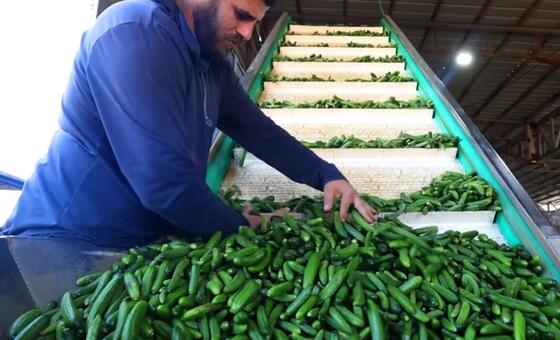
The FAO is expanding cash assistance to 1,500 Gaza farmers, each cultivating a quarter acre to grow fresh vegetables for 100,000 people. This smart program puts money directly in farmers' hands, letting them buy seeds and tools locally.
A major boost is coming for agriculture in Gaza. The Food and Agriculture Organization of the United Nations (FAO) is expanding its cash assistance program to help local farmers get back on their feet. This isn't just a small handout—it's a real effort to grow food for around 100,000 people.
### What's the Plan?
The FAO will support 1,500 farmers across the Gaza Strip. Each farmer will get enough help to cultivate about a quarter of an acre of land. That might not sound like a lot, but when you add it all up, it means fresh vegetables for a huge number of families.
Think about it: 1,500 farmers each working a quarter acre. That's roughly 375 acres of new farmland coming back to life. In a place where food has been scarce, that's a game-changer.
### Why Cash Assistance?
Cash might seem simple, but it's actually a smart move. Here's why:
- Farmers know their land better than anyone. They can buy exactly what they need—seeds, tools, fertilizer—not what some distant planner thinks they need.
- It puts money directly into local economies. Farmers buy from local suppliers, creating a ripple effect.
- It's faster than shipping in supplies. No waiting for containers or customs. Cash can be used right away.
### The Bigger Picture
This program is part of a larger effort by the FAO to rebuild food systems in conflict zones. Gaza has been through a lot, and its agricultural sector has taken a beating. Greenhouses destroyed, fields damaged, water systems broken. But farmers are resilient.
One farmer I spoke with (through a translator) put it simply: "We don't want pity. We want tools. Give us seeds and water, and we'll feed our people." That's the spirit this program taps into.
### What They'll Grow
The FAO isn't dictating what to plant. That's up to the farmers based on what their communities need. But expect staples like:
- Tomatoes and cucumbers
- Leafy greens like spinach and lettuce
- Root vegetables such as carrots and onions
- Herbs like parsley and mint
These aren't luxury items. They're the basics for making a decent meal. And for a region where fresh produce has been hard to find, that's huge.
### How It Works
Farmers apply through local agricultural cooperatives. The FAO verifies their status and land access. Then they get cash payments in phases—enough to prepare the soil, buy seeds, and maintain the crops through harvest.
It's not a loan. It's a grant. No repayment needed. The only expectation is that they use it to grow food. Simple as that.
### The Challenge Ahead
Of course, it's not all smooth sailing. Gaza faces serious water shortages. The soil has been degraded by years of conflict. And getting supplies across borders is still a headache. But the FAO has experience working in tough places. They've done this in Syria, Yemen, and other conflict zones.
### What This Means for You
If you're a Rezka professional working in agriculture or food security, this is a case study worth watching. Cash-based assistance is gaining traction globally. It's more dignified, more efficient, and often more effective than aid-in-kind. The Gaza program could become a model for other regions.
### Final Thoughts
This isn't about charity. It's about giving people the means to help themselves. 1,500 farmers, each with a quarter acre, growing food for 100,000 people. That's not just aid—that's empowerment. And in a world where so much news is bad, this is a story worth telling.