UN Aid Reaches Palestinian Families Trapped by West Bank Outpost
Julia Hoffmann ·
Listen to this article~5 min
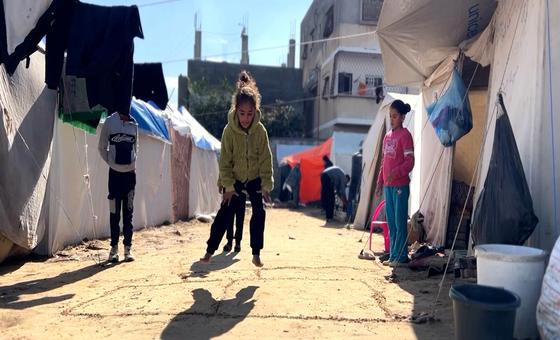
UN workers reached Qusra village to deliver essential supplies to three Palestinian families trapped by an Israeli outpost and military presence. The siege highlights a growing humanitarian crisis in the West Bank.
When humanitarian workers finally reached the village of Qusra, south of Nablus in the West Bank, they found three Palestinian families still surrounded by Israeli military forces and settlers. The siege had been going on for some time, cutting these families off from the outside world. The UN relief teams brought essential supplies, but the deeper question remains: how did this situation get so dire, and what happens next?
### The Standoff in Qusra
Qusra is a small farming village that sits in a volatile area of the West Bank. The trouble started when an Israeli outpost was established right next to the homes of these three families. That single act changed everything. Suddenly, daily life became a constant confrontation. Movement was restricted, and getting basic necessities like food, water, and medicine turned into a logistical nightmare.
You have to understand the geography here. The village is surrounded by hills and narrow roads, which makes it easy to block off. When the military and settlers tightened their presence, the families were effectively trapped. They couldn't leave to buy groceries. They couldn't take a sick child to a clinic. They were stuck, watching the world go on without them.
### What the UN Delivered
The UN humanitarian agencies didn't just show up with a few boxes of crackers. They brought what people in a crisis actually need to survive. Think about what you'd grab if you couldn't leave your house for weeks on end. The aid packages included:
- Food staples like flour, rice, and cooking oil
- Clean drinking water and purification tablets
- Basic medical supplies, including first aid kits and prescription medications
- Baby formula and diapers for the youngest family members
- Blankets and warm clothing, since temperatures drop significantly at night in the West Bank hills
It's not a permanent solution, but it's a lifeline. For families who had been cut off, even a small delivery of essentials can mean the difference between managing and spiraling into a health crisis.
### The Bigger Picture
The situation in Qusra is a microcosm of a larger issue. Outposts and settlements don't just appear overnight. They're part of a slow, grinding process that gradually shrinks the space available to Palestinian communities. Each new outpost creates friction, and each friction point becomes a flashpoint for violence or siege.
What's striking is how ordinary this story sounds to people who follow the region. It's not a headline-grabbing attack or a major political summit. It's just a Tuesday in the West Bank, where families live under the constant threat of being cut off from the rest of the world.
### Why This Matters Now
The UN teams didn't just deliver aid and leave. Their presence is a signal that the international community is watching. But watching isn't the same as acting. The families in Qusra need more than emergency supplies; they need a resolution that allows them to live without fear of being trapped again.
There's a human tendency to look at conflicts like this and feel helpless. But the reality is that awareness matters. When people understand what's happening on the ground, they ask tougher questions of their leaders. They demand accountability. And sometimes, just sometimes, that pressure leads to change.
For now, the three families in Qusra have what they need to get through the next week or so. The UN has promised to keep monitoring the situation. But the outpost is still there. The military presence is still there. And the siege could easily resume at any moment.
### A Fragile Hope
The villagers of Qusra are not asking for charity. They're asking for the simple right to live without being surrounded. They want to farm their land, send their kids to school, and go to the market without worrying about whether they'll be allowed back home.
That's not a radical demand. It's the baseline for a normal life. The UN delivery is a small victory, but it's also a reminder of how far the situation has fallen. When delivering rice and blankets becomes a humanitarian breakthrough, you know the bar has been set incredibly low.
As the world moves on to the next crisis, it's worth remembering Qusra. The families there are still waiting, still hoping, and still surrounded. The aid helped, but it didn't solve anything. It just bought a little time.