UN Aid Reaches Besieged Families in West Bank Village
Emily Williams ·
Listen to this article~4 min
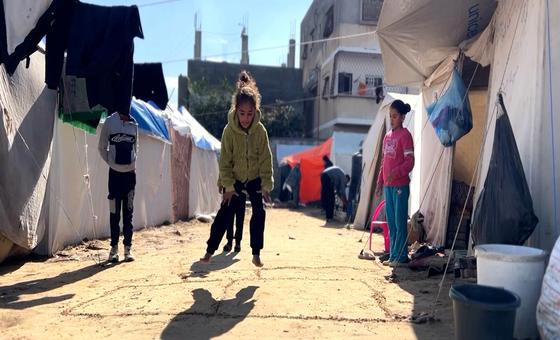
UN humanitarian workers finally reached three Palestinian families trapped in Qusra, West Bank, under an Israeli military and settler siege that began after a new outpost was established near their homes.
It's not every day that humanitarian workers have to navigate a military blockade just to deliver basic supplies. But that's exactly what happened in the village of Qusra, south of Nablus in the West Bank, where UN agencies finally reached three Palestinian families who have been trapped for weeks.
These families aren't just isolated—they're surrounded. Israeli forces and settlers have set up positions around their homes, turning everyday life into a daily struggle for survival. The siege began after an Israeli outpost was established right next to their property, and since then, getting food, water, or medicine has been nearly impossible.
### Why This Siege Matters
This isn't a random escalation or a one-off incident. It's part of a broader pattern that's been unfolding across the West Bank for years, where settlements and outposts slowly encroach on Palestinian land, cutting off communities and making life untenable.
For the families in Qusra, the arrival of UN workers was more than just a delivery run—it was a lifeline. The aid included essentials like food, clean water, and medical supplies, items most of us take for granted but that can mean the difference between survival and catastrophe in a siege situation.
### The Human Cost of Isolation
Think about what it would be like to not be able to leave your home without facing armed guards or hostile neighbors. To have your children's school runs turn into negotiations with soldiers. To run out of medication and have no way to refill it.
That's the reality for these families, and it's been their reality for weeks now. The psychological toll alone is immense—the constant stress, the uncertainty, the feeling of being trapped with no end in sight.
### What the UN Is Doing
Humanitarian agencies are doing what they can, but they're operating under severe constraints. Getting access to besieged communities requires coordination with Israeli authorities, and that's not always quick or straightforward.
- Delivering essential supplies to cut-off families
- Documenting conditions on the ground for international reports
- Advocating for safe passage and the lifting of sieges
- Coordinating with local partners to reach the most vulnerable
But here's the thing: aid delivery is a band-aid, not a solution. It addresses the immediate crisis but doesn't fix the underlying issue, which is the expansion of settlements and outposts that create these situations in the first place.
### The Bigger Picture
Qusra is just one village, and these three families are just a few among many who face similar conditions across the region. International law is clear on this matter—settlements are illegal, and the displacement of Palestinian families is a violation of their rights.
Yet, despite the legal framework and the humanitarian efforts, the situation on the ground continues to deteriorate. Each new outpost brings new tensions, and each new siege brings more suffering.
### What Can Be Done
There's no easy answer here, but there are steps that could ease the pressure:
- International pressure on Israel to dismantle unauthorized outposts
- Increased humanitarian access for UN agencies and NGOs
- Legal action against settlement expansion in the West Bank
- Greater media coverage to keep these stories in the public eye
For now, the UN workers who reached Qusra have done their part. They've delivered the supplies, they've shown that the international community hasn't forgotten these families, and they've highlighted a situation that many would prefer to ignore.
But the real test will come in the weeks ahead. Will the siege be lifted? Will the families be allowed to live in peace? Or will this become just another footnote in a long, tragic history?
For the people of Qusra, the answer to those questions will determine whether this aid delivery was a turning point or just a temporary reprieve.