UN Aid Reaches Besieged Palestinian Families in Qusra
Eleanor Vance ·
Listen to this article~5 min
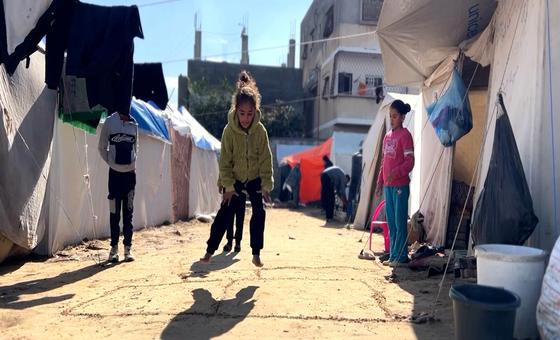
UN humanitarian workers reached the besieged village of Qusra in the West Bank, delivering essential supplies to three Palestinian families trapped by Israeli military and settlers after a new outpost was established nearby.
When the news broke that UN humanitarian workers had finally made it through to the village of Qusra, south of Nablus on the West Bank, a lot of people let out a cautious breath of relief. It's one of those stories that feels far away until you realize how deeply it connects to bigger questions about access, safety, and basic human dignity.
Three Palestinian families have been effectively boxed in. Israeli military forces and settlers have surrounded the area, and the siege only tightened after a new Israeli outpost went up right next to their homes. For weeks, these families have been cut off from the kind of everyday supplies most of us never think twice about.
### What Happened in Qusra
The situation in Qusra isn't new, but it's escalated in a way that finally pushed international agencies to act. UN teams managed to reach the village and deliver essential items. We're talking about the basics: food, water, medicine, and other necessities that keep a household running. The fact that this delivery required a coordinated humanitarian operation tells you everything about how tense the ground situation has become.
What makes this particularly striking is the location. Qusra sits in the northern West Bank, an area that's seen more than its share of friction between communities and security forces. The village itself is small, and when an outpost goes up nearby, the impact isn't abstract. It changes daily life in very concrete ways.
### Why the Siege Matters
A siege like this isn't just about physical barriers. It's about the slow erosion of normal life. Kids can't get to school without fear. Parents can't get to work. Medical emergencies become life-threatening because help can't reach you in time. That's the reality for these three families, and it's a reality that's been unfolding for weeks.
- Food supplies running low
- Limited access to clean water
- No reliable route for medical evacuation
- Constant presence of armed personnel nearby
These aren't hypotheticals. They're the everyday texture of life under blockade.
### The UN's Role on the Ground
When UN staff finally got through, it wasn't just about handing over packages. It was about establishing that humanitarian access is still possible, even in the most difficult circumstances. The agencies involved have been pushing for more consistent access, and this delivery is a small but significant win.
That said, nobody's pretending this solves the problem. A single delivery doesn't end a siege. It's a band-aid on a wound that needs a much deeper intervention. But for those three families, it means they have food for the coming days. It means they know someone out there hasn't forgotten them.
### The Bigger Picture
This incident fits into a broader pattern that's been playing out across the West Bank for years. Outposts expand, communities feel the squeeze, and international agencies scramble to respond. The cycle is exhausting, and it's the people on the ground who pay the price.
What's different here is the visibility. The UN delivery put a spotlight on Qusra in a way that local reporting alone couldn't achieve. It forces a conversation about whether the international community is doing enough, and whether the mechanisms in place are actually working.
### What Comes Next
For now, the immediate crisis in Qusra has been eased, at least temporarily. The families have supplies, and the UN has proven it can reach them. But the underlying issues remain unresolved. The outpost is still there. The military presence is still there. And the siege could easily resume if tensions flare again.
Watching this unfold, it's hard not to feel a mix of relief and frustration. Relief that help arrived. Frustration that it was needed in the first place. That's the uncomfortable reality of humanitarian work in conflict zones. Every success is measured against the failures that made it necessary.
If there's a takeaway from Qusra, it's this: access is everything. When people can't get what they need, everything else falls apart. And when they finally do get it, even a small delivery can feel like a lifeline. Let's hope this delivery isn't the last one, and that the families in Qusra can start to breathe a little easier in the days ahead.