UN Aid Reaches Palestinian Families Trapped in West Bank Village
Sarah Williams ·
Listen to this article~5 min
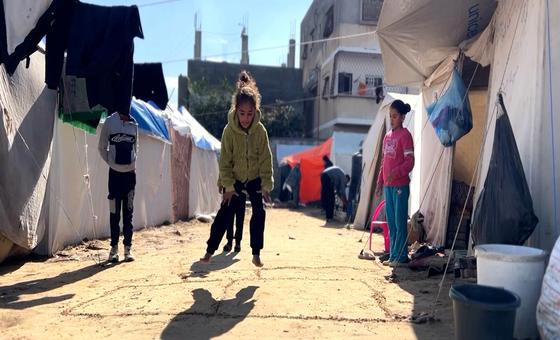
UN humanitarian teams reached three Palestinian families trapped under siege in Qusra, West Bank, delivering essential supplies after an Israeli outpost cut them off.
When you hear about a siege, it's easy to picture something out of a history book. But right now, it's happening in real time to three families in a small village called Qusra, just south of Nablus in the West Bank. Their homes are surrounded by Israeli military and settlers, and for a while, they were completely cut off from the outside world. But this week, something changed.
Humanitarian workers from UN agencies finally managed to get through. They delivered essential supplies to these families, who have been living under what amounts to a lockdown since an Israeli outpost was established right next to their homes. It's a situation that's tense, complicated, and deeply human, and it's worth understanding what's actually going on here.
### The Village of Qusra: A Snapshot
Qusra isn't a big place. It's a tight-knit community of about 3,000 people, mostly farmers who rely on olive groves and small plots of land to make a living. The village sits in the northern West Bank, an area that's seen more than its share of friction over the years. But for the families at the center of this story, the trouble started recently when an Israeli outpost was set up just a few hundred feet from their doorsteps.
An outpost, in this context, is a small, unauthorized settlement. These are different from official settlements, but they're often just as contentious. Once the outpost appeared, the Israeli military moved in to secure it, and that's when the siege began. The three families found themselves boxed in, unable to move freely, and without regular access to food, water, or medical care.
### What the UN Delivered and Why It Matters
When the UN team finally reached Qusra, they weren't bringing anything flashy. It was basic stuff: food staples like flour and rice, cooking oil, drinking water, and hygiene kits. But for families who'd been cut off for days, those items are the difference between getting by and going without. The delivery wasn't just about supplies, though. It was a signal that these families haven't been forgotten.
Here's what the situation looked like before the aid arrived:
- **Limited food**: Pantries were running empty, and the families couldn't safely leave to shop.
- **Water shortages**: With the military presence nearby, routine water deliveries had stopped.
- **No medical access**: If anyone needed a doctor, they couldn't get to one.
- **Psychological toll**: Living under constant watch and restriction takes a heavy mental toll, especially on children.
The UN workers didn't just drop off boxes and leave. They coordinated with local authorities to ensure the aid got to the right people, and they documented the conditions for their records. That documentation matters because it builds a case for ongoing humanitarian access.
### The Bigger Picture: Why This Keeps Happening
You might be wondering how a situation like this even gets to the point of a siege. The answer is rooted in a long and tangled history. The West Bank has been under Israeli military occupation since 1967, and the expansion of settlements and outposts has been a flashpoint for decades. International law considers most settlements illegal, but they continue to grow, and every new outpost brings a new layer of tension.
For the families in Qusra, the outpost isn't just a political symbol. It's a physical presence that changes their daily reality. Their freedom of movement, which is already restricted in the West Bank, becomes even more limited. And when they try to push back or seek help, they often face pushback of their own.
### What Happens Next?
The UN has called for unimpeded humanitarian access, and this delivery is a small step in that direction. But the underlying issue remains: as long as outposts and settlements expand, communities like Qusra will keep finding themselves in these impossible situations. The aid workers will keep trying to get through, but they're treating the symptom, not the cause.
For now, the three families have what they need to get through the next few days. The siege hasn't been lifted, and the military presence hasn't changed. But the world knows they're there, and that's something. It's a reminder that even in the most locked-down corners of the world, there are people working to make sure no one is left without the basics. It's not a happy ending, but it's a human one.