UN Aid Reaches Palestinian Families Trapped in West Bank Village
Emily Taylor ·
Listen to this article~5 min
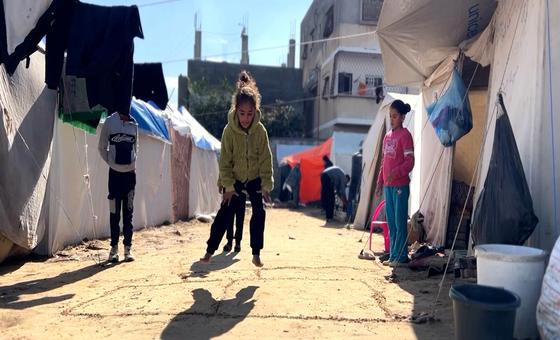
UN humanitarian workers finally reached three Palestinian families trapped in the West Bank village of Qusra, delivering essential supplies after an Israeli outpost sparked a siege.
When you hear about blockades and sieges in the West Bank, it's easy to imagine the scenes playing out in Gaza or the big cities. But sometimes, the most heartbreaking situations unfold in tiny villages you've never heard of. That's exactly what's happening in Qusra, a small community south of Nablus, where three Palestinian families have been cut off from the outside world.
UN humanitarian teams finally managed to reach the village and deliver essential supplies to these families, who have been surrounded by Israeli military forces and settlers. The siege reportedly began after an Israeli outpost was established right next to their homes. It's a stark reminder that conflict isn't just about borders and politics — it's about real people running out of food, water, and medicine.
### What Actually Happened in Qusra
Qusra sits in the northern West Bank, an area that's seen more than its share of tension over the years. According to reports, the three families living on the outskirts of the village suddenly found themselves hemmed in on all sides. Israeli troops and settlers established a presence near their property, effectively cutting off their ability to move freely or access basic services.
The siege wasn't just an inconvenience. It meant no easy way to get groceries, no quick trip to the doctor, no normal daily life. For families with children, elderly relatives, or anyone with a chronic health condition, this kind of isolation can turn dangerous fast.
### Why UN Workers Stepped In
The United Nations has a mandate to provide humanitarian assistance wherever civilians are in need, regardless of the political situation on the ground. In this case, their teams had to navigate a complex landscape of checkpoints, settlements, and military positions just to reach three families in a single village.
When they finally got through, they brought what's known in the aid world as "items of first necessity." Think of it as the stuff you'd grab if your house was on fire, but for survival over weeks, not hours:
- Clean drinking water and purification tablets
- Non-perishable food items like rice, lentils, and canned goods
- Basic medical supplies and first-aid kits
- Baby formula and diapers if there are infants in the household
- Blankets and warm clothing, especially with colder months approaching
It's not a permanent solution, but it buys time. Time for diplomacy, time for pressure, time for the families to hold on.
### The Bigger Picture of Settlement Expansion
This isn't an isolated incident. Across the West Bank, the expansion of Israeli outposts and settlements has been a flashpoint for years. International law generally considers settlements in occupied territory to be illegal, but that hasn't stopped their growth. What happens in Qusra is a microcosm of a much larger pattern.
When a new outpost goes up next to a Palestinian community, it often brings with it roads, fences, and security zones that restrict local movement. Farmers lose access to their fields. Children take longer routes to school. And in the worst cases, families find themselves under what amounts to house arrest in their own homes.
The UN has repeatedly called for an end to settlement expansion, but on the ground, the reality is that these situations keep occurring. Each one is a test of whether the international community can actually protect civilians in conflict zones.
### What Comes Next for These Families?
Right now, the immediate crisis has been eased, but the underlying problem remains. The outpost is still there. The military presence hasn't lifted. The families are still effectively trapped, just with a bit more food and water to get them through the coming days.
Humanitarian aid is a band-aid, not a cure. The real solution requires political will, negotiation, and a commitment to protecting civilian life on all sides. Until that happens, UN workers will keep doing what they do best: showing up where others can't or won't, and making sure that even in the worst circumstances, people aren't left completely alone.
It's a tough story to read, but it's one worth paying attention to. Because behind every headline about the West Bank, there's a family just trying to live their lives, hoping someone out there remembers they exist.