UN Aid Finally Reaches Palestinian Families Trapped by Israeli Outpost
Emily Wilson ·
Listen to this article~4 min
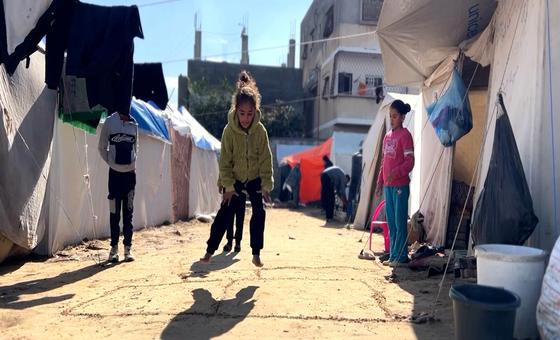
UN humanitarian workers finally reached three Palestinian families trapped in Qusra by an Israeli outpost. Here's what happened and what it means.
When you hear about blockades and humanitarian aid, it's easy to picture distant conflicts that have nothing to do with your daily life. But every once in a while, a story breaks through the noise and makes you stop and think. This is one of those stories.
Humanitarian workers from United Nations agencies just managed to reach the small village of Qusra, located about 12 miles south of Nablus in the West Bank. What they found there is a situation that's been quietly unfolding for weeks: three Palestinian families have been effectively trapped, surrounded by Israeli military forces and settlers, with no way to move freely or access basic supplies.
### Why Is This Happening?
The whole ordeal began when an Israeli outpost was established right next to the families' homes. Outposts, unlike official settlements, are typically unauthorized even under Israeli law, but they've become a recurring flashpoint in the region. Once that outpost went up, the dynamic changed overnight. Movement became restricted, daily routines collapsed, and the families found themselves cut off from the rest of their community.
It's a situation that feels almost medieval in its simplicity: a small group of people, surrounded, with their access to food, water, and medicine controlled by armed presence. The UN workers who finally reached them brought what they could, but the delivery itself was the real victory. Getting through the cordon took negotiation, patience, and a lot of diplomatic wrangling.
### What Did the UN Deliver?
The aid package included the essentials that you and I probably take for granted:
- Food staples like flour, rice, and cooking oil
- Bottled water and basic hygiene supplies
- Medicine for chronic conditions
- Baby formula and diapers for the youngest family members
But here's the thing: this isn't a one-and-done situation. The families remain encircled. The UN teams had to leave after making their delivery, and the blockade is still in place. The question on everyone's mind is what happens next.
### The Bigger Picture
This isn't an isolated incident. Qusra has been a pressure point for years, with settlers from nearby outposts frequently clashing with Palestinian farmers over land access. The village sits in an area that's strategically important for both sides, which makes it a powder keg waiting for a spark.
The fact that UN staff had to fight just to get basic necessities to three families tells you everything about how tense the situation has become. It also raises uncomfortable questions about the effectiveness of international oversight in the region. When humanitarian workers can't move freely, something has fundamentally broken.
### What to Watch For
If you're following this story, here are the key things to keep an eye on:
1. Whether the Israeli military will allow regular aid deliveries or if this was a one-off
2. Whether the outpost will be dismantled or formalized into a settlement
3. How the international community responds to the blockade itself
For now, the three families in Qusra have enough supplies to get by for a little while. But "enough to get by" isn't the same as "safe" or "free." The UN's delivery was a small victory, but it's also a stark reminder of how fragile life can become when politics and military power collide with ordinary people's homes.
I'll be watching this one closely, and I think you should too. Because the way this situation resolves will tell us a lot about where the broader conflict is heading.