UN Briefing Reveals the Human Toll of a Single Weekend
James Miller ·
Listen to this article~4 min
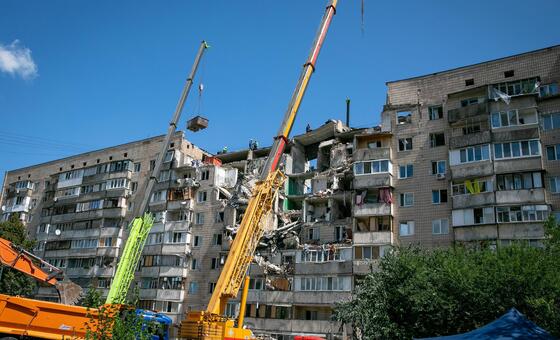
A UN briefing revealed devastating civilian casualties from weekend attacks in Ukraine, with approximately 60 killed and over 240 wounded, according to ground reports.
It's the kind of Monday morning update that hits you right in the gut. In a briefing to journalists in New York, UN spokesperson Stéphane Dujarric laid out the numbers from just one weekend of conflict. The figures, compiled from UN humanitarian staff on the ground and Ukrainian authorities, paint a stark and sobering picture of the human cost. We're talking about real lives, real families, shattered in a matter of days. It's a grim reminder that behind every strategic update or territorial map, there are people simply trying to survive.
### The Scope of the Casualties
Let's break down what those numbers actually mean. Dujarric reported that about 60 civilians lost their lives across Ukraine during the attacks. More than 240 others were wounded. That's a total of over 300 casualties in just 48 hours. Think about that for a second. It's not just a statistic. It's neighbors, parents, children—people who were going about their weekend when violence intruded. These attacks weren't isolated to a single front line either; they happened in various locations, highlighting the widespread danger facing civilians.
The UN's reliance on its own personnel and local authorities for these figures is crucial. It adds a layer of verification that's desperately needed in a fog of information. They're not just repeating headlines; they're consolidating direct reports from those witnessing the aftermath. This ground-level data collection is painstaking and perilous work, but it's the only way to get a true sense of the scale.
### Why This Briefing Matters
So, why does a press briefing in New York matter? It's about accountability and global awareness. When the UN stands at that podium and delivers these numbers, it's documenting the reality of the conflict for the historical record. It's a formal, on-the-record statement that cuts through the noise. For professionals analyzing the situation, whether in humanitarian aid, policy, or security, this isn't just news—it's critical data. It informs resource allocation, safety protocols, and strategic planning. It tells you where the pressure points are and where the immediate human need is most acute.
It also serves as a powerful, if tragic, metric. Tracking these casualty reports over time reveals patterns. Are attacks becoming more frequent? Are they shifting to new population centers? The answers to those questions shape the international response.
### The Human Impact Beyond the Numbers
Numbers can feel cold, though. The real story is in the impact each one represents. For every person killed, a family is plunged into grief. For every person injured, there's a long road to recovery—physical, emotional, and financial. Hospitals are strained, emergency services are stretched thin, and communities are left to pick up the pieces. The ripple effects are immense. We're talking about:
- Trauma that will last for generations
- Critical infrastructure damage that disrupts water, heat, and power
- A deepening humanitarian crisis that requires coordinated, sustained support
The briefing from Dujarric is a snapshot, but it's a snapshot of an ongoing tragedy. It underscores the relentless nature of the threat to civilian life. For anyone engaged with the region, it's a sobering call to focus on the human element above all else. The strategic and geopolitical analyses are important, but they must always be grounded in the reality of the suffering on the ground. Our understanding has to start and end with the people caught in the crossfire.