UN Briefing Reveals Weekend Toll in Ukraine Conflict
Dr. Elise Vermeulen ·
Listen to this article~3 min
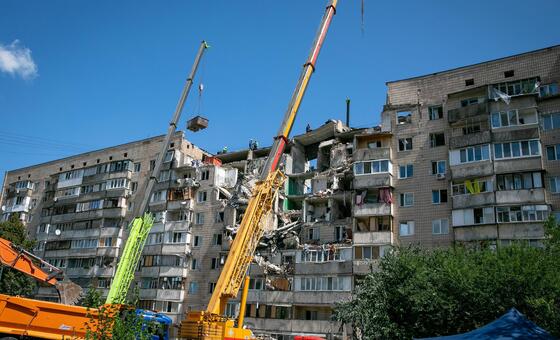
A UN briefing revealed approximately 60 civilians were killed and over 240 wounded in attacks across Ukraine over the weekend, according to data from ground personnel and authorities.
When you hear about conflict zones, the numbers can sometimes feel distant. They're statistics, figures on a screen. But this week, a UN briefing brought those numbers into sharp, human focus.
In a press conference in New York this Monday, UN spokesperson Stéphane Dujarric laid out some sobering facts. His briefing, which drew on data from UN humanitarian workers on the ground and Ukrainian authorities, painted a grim picture of the past weekend.
### The Human Cost of a Weekend
The core of the announcement was this: over the past weekend, attacks across Ukraine resulted in the deaths of approximately 60 civilians. That's 60 individuals with families, stories, and futures abruptly ended. Beyond that, more than 240 people were wounded. These aren't just casualties; they're hundreds of lives suddenly and violently altered.
It's a stark reminder that while we talk about geopolitics and military strategy, the most immediate impact is always on the ground, on the people who call these places home.
### The Source of the Information
Where does this information come from? Dujarric made it clear the data was compiled from two primary sources:
- **UN humanitarian personnel operating in the region.** These are the aid workers and observers who witness the aftermath firsthand.
- **Official Ukrainian authorities.** This dual-sourcing aims to create a more complete, verified picture of events.
This method of combining international and local reporting is crucial. It helps cut through the fog of war, trying to establish facts amidst chaos. The briefing itself, held for journalists at the UN headquarters, serves as a formal channel to disseminate this verified, troubling information to the world.
### Why This Briefing Matters
You might wonder why a single briefing in New York matters. Here's the thing—it acts as an official record. It transforms scattered reports from a warzone into a consolidated statement from a global body. This serves several purposes:
- It documents the human toll for historical and legal accountability.
- It informs international response and aid coordination.
- It keeps global attention focused on the continuing humanitarian crisis.
In many ways, these briefings are the world's way of bearing witness.
### The Bigger Picture
While this report covers a single, devastating weekend, it's a snapshot of a much larger tragedy. Each number in that briefing—60, 240—represents a ripple effect of grief, displacement, and trauma that extends far beyond the immediate moment of attack. Communities are shattered, healthcare systems are overwhelmed, and the path to recovery grows longer.
It's easy to feel helpless when confronted with news like this. The scale is immense. But understanding the specific, verified costs, as laid out in briefings like this one, is the first step. It's about recognizing the human reality behind the headlines, a reality that demands our attention and, where possible, our action.
As one humanitarian worker on the ground was quoted as saying, *"Our job isn't just to count the cost, but to make sure the world remembers each number was a person."* That sentiment echoes long after the briefing room in New York empties out.