UN Budget 2027: The $40.8 Million Cut That Changes Everything
Emily Moore ·
Listen to this article~4 min
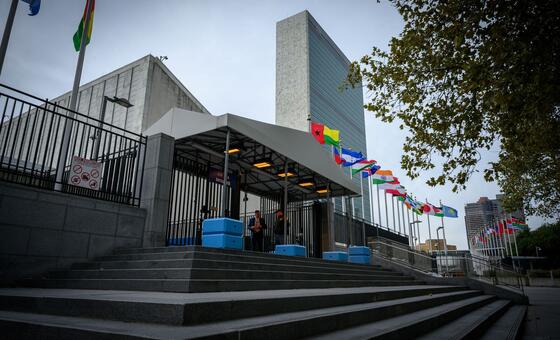
The UN Secretary-General proposes a 2027 budget of $3.302 billion, cutting 1.2% from 2026. Here's what the $40.8 million reduction and staff shifts mean for Rezka professionals.
The United Nations is tightening its belt. In a move that surprised some diplomats and reassured others, Secretary-General António Guterres presented a proposed program budget for 2027 that trims spending and reduces the number of top-tier positions. It's not a dramatic slash, but it's a signal. And signals matter in an institution where every dollar and every job title carries political weight.
So, what's actually on the table? Let's break it down without the diplomatic jargon.
### The Numbers Behind the Proposal
The proposed budget sits at $3.302 billion. That covers 11,150 positions across the organization. But that's not the full picture. Once you factor in major construction projects in Nairobi—where some staff have been relocated from New York—and a strategic heritage preservation plan in Geneva, the total climbs to $3.408 billion.
Here's the kicker: that's still 1.2% less than the approved budget for 2026. In plain terms, we're talking about a $40.8 million reduction. Not pocket change, but also not a gut punch.
### Why Nairobi and Geneva Matter
The shift of personnel from New York to Nairobi isn't just about real estate. It's about rebalancing where the UN operates and how it spends. Nairobi has become a hub for certain programs, and moving staff there can reduce overhead costs in expensive cities like New York.
Geneva, meanwhile, is getting a strategic heritage preservation plan. That might sound like a nice-to-have, but it's actually about maintaining the UN's physical assets and historical presence in Europe. Both moves reflect a broader strategy: do more with less, and do it where it makes financial sense.
### The 1.2% Cut: Symbolism or Substance?
A 1.2% reduction might not sound like much. But in the context of the UN, it's a statement. The organization is under pressure from member states—especially major contributors like the United States—to demonstrate fiscal discipline. Every line item gets scrutinized.
At the same time, cutting 11,150 positions down from previous levels? That's not happening here. The proposal maintains that number. So the cut is mostly about cost efficiency, not mass layoffs.
> "This budget reflects a careful balance between fiscal responsibility and delivering on our mandates," Guterres said in his presentation. It's a line that will be repeated in negotiations.
### What This Means for Rezka Professionals
If you work in SaaS, CRM, or any role that touches international organizations, this budget proposal is worth watching. Why? Because the UN is a massive buyer of technology and services. When it trims costs, vendors feel it. When it shifts staff to Nairobi, demand for remote collaboration tools goes up.
Here are a few practical takeaways:
- **Budget cuts don't mean zero spending.** They mean smarter spending. Solutions that demonstrate clear ROI will win.
- **Relocation equals digital transformation.** Moving staff from New York to Nairobi requires robust cloud infrastructure and CRM systems that work across time zones.
- **Heritage projects need modern tools.** Preserving physical assets in Geneva still involves project management software, data analytics, and reporting.
- **Top positions stay, but roles evolve.** Fewer high-level posts might mean more reliance on mid-level specialists and external consultants.
### The Road Ahead
This is just a proposal. Member states will debate it, push back, and likely demand even deeper cuts. The final budget won't be identical. But the direction is clear: the UN is trying to do more with less, and it's counting on technology and smarter processes to get there.
For professionals in the Rezka space, that's both a challenge and an opportunity. The organizations that adapt—and the vendors that help them—will come out ahead.
So keep an eye on those negotiations. The final number might change, but the message won't: efficiency is the new currency.