UN Budget 2027: The Surprising Cut That Could Reshape the Organization
Jessica Albright ·
Listen to this article~3 min
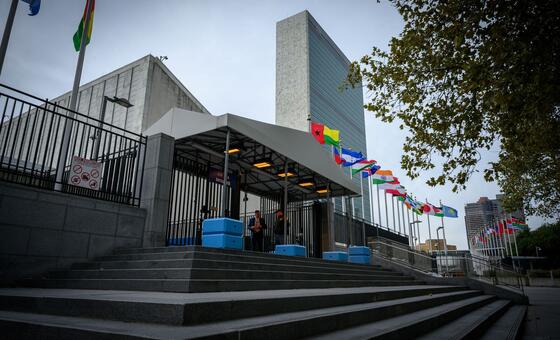
UN Secretary-General António Guterres proposes a $3.302 billion budget for 2027, cutting $40.8 million from 2026. The plan includes relocating staff to Nairobi and reducing high-level posts. What does this mean for the UN's future?
You know that feeling when you're trying to trim your household budget, and every expense feels essential? Now imagine doing that for the entire United Nations. That's exactly what Secretary-General António Guterres did on Tuesday when he presented a proposed program budget for 2027 to member states.
The headline number? $3.302 billion. But here's where it gets interesting.
### The Big Picture
At first glance, the proposed budget covers 11,150 posts. That's a lot of people doing everything from peacekeeping to humanitarian aid. But when you factor in major construction projects in Nairobi (where some staff have been relocated from New York) and a strategic heritage plan in Geneva, the total budget climbs to $3.408 billion.
Now, here's the twist: that total is actually 1.2% lower than the approved 2026 budget. In dollar terms, we're talking about a $40.8 million reduction.
Why does this matter? Because the UN isn't exactly known for shrinking its budget. In fact, this is a notable shift.
### What's Driving the Cuts?
Guterres isn't just pinching pennies for fun. There are a few factors at play:
- **Efficiency push:** The UN has been under pressure to streamline operations and reduce duplication across agencies.
- **Relocation savings:** Moving part of the staff from New York to Nairobi isn't just about proximity to operations—it's also about cost. Nairobi is significantly cheaper than Manhattan.
- **Post-pandemic adjustments:** Like many organizations, the UN is rethinking its physical footprint and how it allocates resources.
- **Political pressure:** Major contributors, including the United States, have been vocal about wanting to see more fiscal discipline.
But here's the thing: cutting $40.8 million from a $3.4 billion budget is like skipping your daily latte to save for a house. It's a start, but it won't get you there alone.
### The Real Question: What Gets Cut?
The proposal doesn't just reduce the bottom line—it also hints at a reduction in the number of high-level positions. That's a big deal. The UN has long been criticized for its top-heavy bureaucracy.
> "We must do more with less," Guterres has said repeatedly. But the devil is in the details.
Which posts will be eliminated? Will it be senior advisors or frontline staff? The proposal doesn't specify, and that's likely to be a sticking point during negotiations.
### What Happens Next?
This is just a proposal. Member states will now debate, negotiate, and likely push back. Some will argue the cuts don't go far enough. Others will worry that reducing staff could hamper critical programs.
For now, though, one thing is clear: the UN is trying to tighten its belt. Whether it succeeds—and what that means for global operations—remains to be seen.
If you're following UN budget policy or just curious about how international organizations manage their finances, this is a story worth watching. After all, a 1.2% cut might not sound like much, but in the world of multilateral diplomacy, it's a signal.
And signals matter.