UN Budget 2027: Gutierrez Proposes $3.3B Spending Cut
Jennifer Miller ·
Listen to this article~3 min
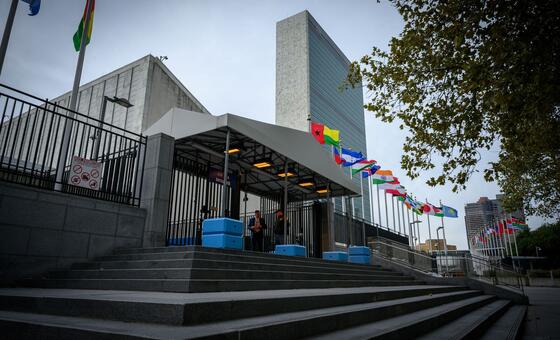
UN Secretary-General António Guterres proposes a $3.3B budget for 2027, cutting spending by 1.2% and reducing top posts. Here's what it means.
### A Leaner UN? Secretary-General's 2027 Budget Proposal
UN Secretary-General António Guterres has just unveiled a proposed program budget for 2027 that's turning heads. The headline number? $3.302 billion. That's the core budget covering 11,150 posts. But when you factor in major construction projects in Nairobi—where some staff have been relocated from New York—and a strategic heritage preservation plan in Geneva, the total climbs to $3.408 billion. Still, that's a 1.2% decrease, or $40.8 million less, than the approved 2026 budget.
So what's driving this belt-tightening? And what does it mean for the UN's operations? Let's break it down.
### Why the Budget Is Shrinking
The proposed reduction isn't just about saving money—it's about rethinking how the UN operates. Guterres has been pushing for reforms to make the organization more efficient and responsive. Moving part of the New York staff to Nairobi is a big part of that. Nairobi's office is already a major hub for UN operations, especially in Africa. By shifting more personnel there, the UN can cut costs on expensive New York real estate and overhead.
Meanwhile, the heritage preservation plan in Geneva is about maintaining the UN's historic assets. It's not just about buildings—it's about preserving the institution's legacy while modernizing where it makes sense.
### The Numbers at a Glance
- **Core budget:** $3.302 billion
- **Total budget (including construction and heritage):** $3.408 billion
- **Posts maintained:** 11,150
- **Decrease from 2026:** $40.8 million (1.2%)
These figures might seem massive, but they represent a careful balancing act. The UN has to fund peacekeeping, humanitarian aid, development programs, and more—all while member states are watching every dollar.
### What This Means for the US and Global Operations
For the United States, the UN's largest financial contributor, this proposal is significant. A leaner budget could ease some political pressure back home, where critics often argue the UN is bloated and inefficient. But it also raises questions: Can the UN do more with less? Will cuts impact critical programs?
Guterres seems to think the answer is yes—if the organization embraces smarter working methods. The shift to Nairobi, for instance, isn't just about cost; it's about being closer to where many operations actually happen. That could lead to faster response times and better outcomes.
> "We are not just cutting costs; we are reshaping the way we work to better serve the world's most vulnerable," Guterres said in his presentation to member states.
### The Road Ahead
Of course, this is just a proposal. Member states will debate it, and the final budget could look different. Some countries might push for even deeper cuts, while others may argue for restoring funds to certain areas. The process will likely involve tough negotiations.
But one thing is clear: the UN is trying to adapt to a world where resources are tight and expectations are high. Whether this budget achieves that balance remains to be seen.
For now, Guterres's proposal sets the stage for a conversation about the UN's priorities and its future. And that conversation is just getting started.