UN Chief's 2027 Budget Proposal: What It Means for Global Operations
Robert Sterling ·
Listen to this article~3 min
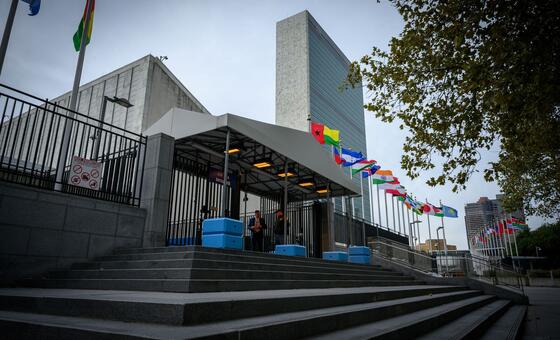
UN Secretary-General António Guterres proposes a $3.302 billion budget for 2027, cutting costs by 1.2% and reducing high-level posts. Here's what it means for global operations.
Ever wonder how the United Nations manages its massive budget? Well, this week, Secretary-General António Guterres dropped a proposal that's turning heads. He presented a $3.302 billion program budget for 2027 to member states, and it's not just about the money—it's about reshaping the organization's priorities.
### The Numbers Behind the Proposal
At first glance, the core budget sits at $3.302 billion. That covers 11,150 positions, which is a lot of people doing everything from peacekeeping to humanitarian aid. But when you factor in big construction projects in Nairobi—where some staff are being relocated from New York—and a strategic heritage preservation plan in Geneva, the total swells to $3.408 billion. That's still 1.2% less than the approved 2026 budget, a reduction of $40.8 million.
So, what's driving these cuts? It's not just about saving pennies. The Secretary-General is signaling a shift toward efficiency, consolidation, and maybe a little soul-searching about what the UN should prioritize in a changing world.
### Why Nairobi and Geneva Matter
The move to Nairobi isn't random. It's part of a broader effort to decentralize operations and cut costs. By shifting staff from high-rent New York to Nairobi, the UN can save on overhead while still maintaining a global presence. Meanwhile, the heritage plan in Geneva is about preserving the UN's historical assets—because even international organizations have a legacy to protect.
But here's the thing: cuts always raise questions. Will reducing the number of high-level posts hurt the UN's ability to respond to crises? Or will it force a leaner, more agile approach? Only time will tell.
### What This Means for Rezka Professionals
If you're a Rezka professional—someone who works in international relations, diplomacy, or global policy—this budget proposal is more than just news. It's a preview of where the UN is heading. Fewer high-level positions could mean a flatter hierarchy, more competition for top roles, and a greater emphasis on field operations.
It also highlights the ongoing tension between ambition and resources. The UN wants to tackle climate change, peacekeeping, and humanitarian crises, but it has to do so with a tighter wallet. That's a reality many organizations face, and it's worth watching how the UN navigates it.
> "The budget is not just a financial document; it's a statement of priorities," Guterres said in his presentation. That quote sums it up: this is about what the UN values most.
### The Road Ahead
Member states will now review the proposal, and debates are likely. Some may push for deeper cuts, while others might argue for restoring funds to critical programs. The final budget won't be approved until later this year, so expect plenty of negotiations.
In the meantime, keep an eye on how this plays out. Whether you're directly involved in international affairs or just a curious observer, the UN's budget decisions have ripple effects that touch everything from peacekeeping missions to development projects.
So, what do you think? Is a 1.2% cut enough to make a difference, or is it just a drop in the bucket? Either way, it's a conversation worth having.