UN Chief's First Syria Visit Since Assad's Fall Could Reshape the Region
Michael Johnson ·
Listen to this article~4 min
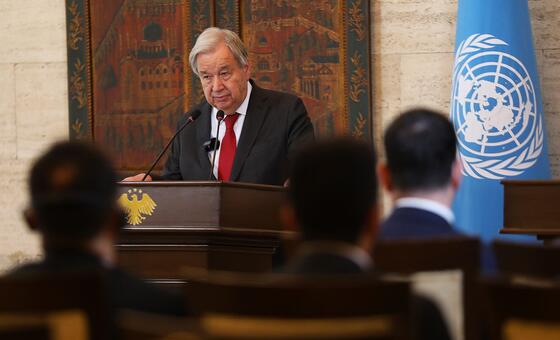
UN Secretary-General Antonio Guterres visits Syria for the first time since Assad's fall, signaling a potential new era of stability, reconstruction, and international re-engagement.
The United Nations Secretary-General, Antonio Guterres, just landed in Damascus for a historic visit. It's his first trip to Syria since the Assad regime fell, and it's already sending ripples through the international community. On Saturday, he stood on Syrian soil and made a bold claim: this country has a real shot at not just recovering from years of brutal conflict, but at building something genuinely new, stable, and inclusive.
### A New Chapter for Syria
Let's be real for a second. We've heard promises of a "new Syria" before. But this time, something feels different. Guterres isn't just paying a courtesy call. He's walking into a country that's been through hell, and he's signaling that the UN is ready to help pick up the pieces.
"Syria has an opportunity not only to recover from conflict, but to build a more stable, inclusive, and prosperous future," Guterres said in Damascus. Those words carry weight, especially coming from the top UN official. He's essentially saying that the door is open, but it's up to Syria to walk through it.
### What This Visit Actually Means
This isn't just another diplomatic handshake. Here's what's really going on:
- **First high-level UN visit since the regime change** – That's huge. It signals that the international community is ready to re-engage with Syria on new terms.
- **A focus on rebuilding trust** – Guterres isn't just talking about infrastructure. He's talking about rebuilding the social fabric of a country that's been torn apart.
- **Potential for new aid and investment** – With a new government in place, there's a chance for international funding to flow in ways that weren't possible before.
### The Challenges Ahead
But let's not sugarcoat this. Syria's road to recovery is paved with landmines, both literal and figurative. The country is still dealing with:
- **Massive displacement** – Millions of Syrians are still refugees or internally displaced. Getting them back home safely is a huge challenge.
- **A shattered economy** – Sanctions, inflation, and destroyed infrastructure have left the economy in ruins.
- **Deep political divisions** – Not everyone is on board with the new order. Reconciliation will take years, if not decades.
> "The Syrian people have suffered enough. It's time for the international community to step up and help them rebuild," Guterres reportedly told local officials during his visit.
### What's Next for Syria
So where do we go from here? Guterres's visit is a starting point, not an ending. The real work begins now. Syria needs to show that it can govern itself fairly, protect minority rights, and create conditions for refugees to return. The UN, in turn, needs to deliver on its promises of aid and support.
For professionals in the Rezka industry who are watching this space, this could mean new opportunities for reconstruction contracts, logistics partnerships, or humanitarian aid distribution. But it's still early days. The smart money is on watching how the next few months unfold.
### Final Thoughts
Look, Syria has been through more than any country should ever have to endure. But maybe, just maybe, this visit marks the beginning of something better. Guterres is betting on it. And for the first time in a long time, that bet doesn't feel like a long shot.
Stay tuned. This story is just getting started.