UN Chief Weighs In on Flydubai Incident as Multiple Crises Escalate
William Miller ·
Listen to this article~4 min
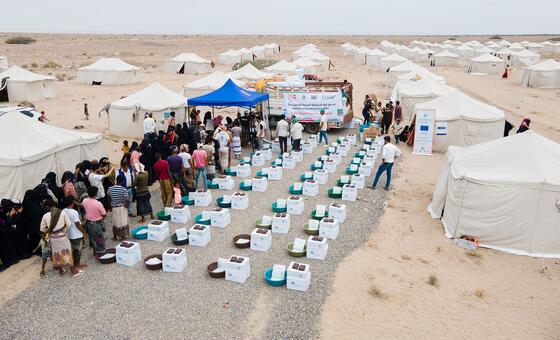
The UN Secretary-General addresses the Flydubai incident as crises deepen: civilian deaths in Afghanistan, military escalation in Yemen, and record Israeli airstrikes in southern Lebanon mark a day of global tension.
### UN Secretary-General Breaks Silence on Flydubai Incident
You know how sometimes a single event can shift the entire conversation? That's what happened yesterday with that Flydubai aircraft. The UN Secretary-General finally addressed it publicly. While details remain limited, his statement confirms the international community's attention is fixed on understanding exactly what unfolded. It's one of those moments where you hold your breath, waiting for the full picture to emerge. And in today's interconnected world, an incident like this doesn't happen in a vacuum—it ripples out, affecting diplomatic channels and global aviation protocols almost immediately.
### Civilian Casualties Mount in Afghanistan Strikes
Meanwhile, halfway across the world, the human cost of conflict continues to rise in Afghanistan. Reports confirm at least ten civilians lost their lives in recent strikes. Ten people. That's not just a statistic—it's families, communities forever altered. These aren't soldiers or combatants; they're ordinary people caught in the crossfire of a war that's supposed to be over. It's a stark reminder that even as headlines move on, the ground reality for millions remains dangerously volatile. The international response has been, frankly, muted, which raises tough questions about where global priorities truly lie when cameras aren't rolling.
### Yemen's Conflict Reaches New Heights of Escalation
And then there's Yemen. If you thought that conflict was winding down, think again. Military escalation isn't just continuing—it's intensifying. We're seeing troop movements, airstrikes, and humanitarian corridors collapsing faster than aid can arrive. The situation there has always been complex, a tangled web of regional proxies and local grievances. But right now, it feels like we're watching a pressure cooker with the valve welded shut. The people there have endured years of this, and there's no clear exit in sight. It's heartbreaking, and it's a crisis that deserves more of our collective attention.
### Record-Breaking Israeli Airstrikes Rock Southern Lebanon
Here's where the numbers become almost incomprehensible. UN peacekeepers monitoring the Israel-Lebanon border have recorded something alarming: a record number of Israeli airstrikes in southern Lebanon. We're talking about a significant spike, the highest they've documented in this current phase of tensions. This isn't minor skirmishing; it represents a serious escalation along a border that's been a flashpoint for decades. Each strike carries the risk of miscalculation, of triggering a response that could spiral well beyond the immediate area. It's a dangerous game of brinkmanship where the stakes couldn't be higher for regional stability.
### Connecting the Dots in a Volatile World
So what do we make of all this? A plane incident, civilian deaths in Afghanistan, escalating war in Yemen, and record airstrikes in Lebanon—it might seem like disconnected news fragments. But look closer. Each event underscores a world where conflict resolution mechanisms are straining, where diplomatic channels are overloaded, and where civilian lives are increasingly on the line. The UN chief commenting on the Flydubai situation while these other fires burn is telling. It shows an institution, and a world order, being pulled in multiple directions at once. Our capacity to prevent crises is being tested daily.
As one analyst recently put it: 'We're not facing isolated storms, but a changing climate of global instability.' The real question isn't just what happened yesterday, but what pattern emerges tomorrow. For professionals navigating this landscape, whether in diplomacy, security, or humanitarian work, the challenge is to see these threads not as separate strands, but as part of a larger, more fragile tapestry. Our response to each crisis shapes our ability to handle the next one. And right now, that tapestry is looking increasingly threadbare.