UN Chief's Critical Statement on Aviation Incident as Regional Tensions Escalate
Eleanor Vance ·
Listen to this article~4 min
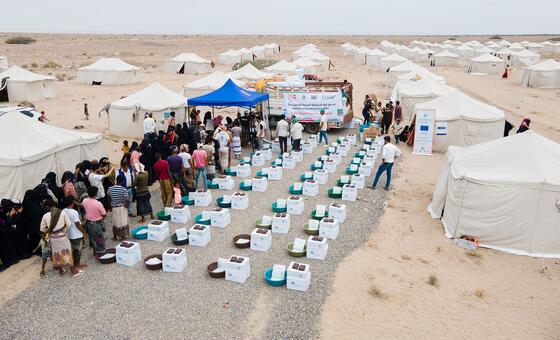
UN Secretary-General addresses Flydubai incident amid escalating conflicts in Afghanistan, Yemen, and Lebanon. Civilian casualties mount as military actions intensify across multiple regions.
The UN Secretary-General didn't hold back in his comments yesterday, and honestly, you can feel the tension in the air. The incident involving that Flydubai aircraft has become more than just an aviation story—it's now a diplomatic flashpoint. While we're still waiting on the full investigation details, that statement from the top has set a serious tone for what's unfolding across multiple regions simultaneously.
It makes you pause for a moment, doesn't it? How one event can ripple outward, connecting dots between places that seem worlds apart. Today's developments aren't isolated incidents—they're threads in a much larger, more complicated tapestry of international relations and security concerns.
### The UN's Response to the Flydubai Incident
Here's what we know so far. The Secretary-General addressed what happened directly, calling for a thorough and transparent investigation into the circumstances surrounding the aircraft. He emphasized the importance of aviation safety as a global priority that transcends borders. There's an unspoken weight to his words—a recognition that in our interconnected world, what happens in one airspace affects confidence in all of them.
What's particularly telling is the timing. With regional tensions already running high, this incident lands right in the middle of multiple ongoing crises. The UN's careful but firm response suggests they're watching this closely, aware that perceptions matter as much as facts in these situations.
### Civilian Toll Mounts in Afghanistan
Meanwhile, thousands of miles away, the human cost continues to climb. Reports confirm at least ten civilians lost their lives in recent strikes in Afghanistan. Ten people—neighbors, family members, people going about their daily lives—caught in conflicts they didn't create.
It's one of those numbers that's easy to skim past in a headline, but when you stop and think about it, each represents a story cut short. The UN has repeatedly called for greater protection of civilians in conflict zones, but today's news shows how difficult that principle is to implement on the ground.
### Military Escalation in Yemen Continues
Over in Yemen, the situation keeps moving in the wrong direction. Military escalation isn't slowing down—if anything, it appears to be picking up pace. This isn't new, of course. The conflict has dragged on for years, but recent developments suggest we might be entering yet another phase of intensified hostilities.
The humanitarian implications are staggering. Think about it: more fighting means more displacement, more disruption to aid deliveries, more families pushed to the brink. It's a cycle that seems impossible to break, and today's reports indicate no breakthrough is on the immediate horizon.
### Record Israeli Airstrikes in Southern Lebanon
Peacekeeping forces monitoring the situation have documented something alarming—a record number of Israeli airstrikes in southern Lebanon. When observers use words like "record," it's worth paying attention. They're comparing current activity to historical data, and what they're seeing now exceeds previous peaks.
This creates a dangerous precedent. Escalation breeds escalation. Each side responds to perceived threats, and the threshold for action gets lower each time. The peacekeepers' role becomes increasingly difficult, caught between documenting violations and trying to maintain some semblance of stability.
### Connecting the Dots
So what ties all this together? On the surface, they're separate stories from different corners of the world. But look closer, and you'll see common threads:
- Regional instability testing international norms
- Civilian populations bearing the brunt of conflicts
- Diplomatic channels straining under pressure
- Military actions creating facts on the ground faster than diplomacy can respond
There's a quote that keeps coming to mind in situations like these: "In crisis, response time matters more than perfection." The UN and international community are facing exactly that challenge—needing to address multiple fast-moving situations simultaneously without the luxury of perfect information.
What happens next will depend on whether diplomatic efforts can create space for de-escalation, or if momentum continues pushing toward further confrontation. One thing's certain—professionals monitoring these developments will have their hands full connecting these global dots in the days ahead.