UN Daily Brief: Iran, Sudan, Education, South Sudan
Sarah Jenkins ·
Listen to this article~2 min
UN Security Council discusses Iran's nuclear program, cholera spreads in Sudan, global education investment urged, and South Sudan prepares for drought. Key updates in plain English.
Welcome to today's UN roundup. We're covering four big stories that matter globally and right here in the United States. From nuclear talks to a health crisis, education funding, and climate preparation—let's dive in.
### Iran's Nuclear Program: Security Council Talks
The UN Security Council recently discussed Iran's nuclear program, a topic that keeps diplomats busy and the world watching. The conversation centered on compliance with international agreements and monitoring efforts. For Americans, this matters because it affects global stability and oil prices, which hit our wallets at the pump.
- Key focus: Verification of Iran's commitments under the JCPOA
- Stakeholders: The US, European allies, and regional powers
- Next steps: More technical meetings scheduled
### Cholera Outbreak in Sudan
Sudan is facing a serious cholera outbreak, with cases spreading fast in several states. The UN is coordinating with local health authorities to distribute clean water and medical supplies. Cholera is preventable, but infrastructure damage from conflict makes containment tough.
- Over 1,000 suspected cases reported
- Clean water access is critical
- UN teams are on the ground
### Boosting Education Investment Globally
The UN is pushing for more funding in education worldwide. The message is simple: investing in schools now prevents bigger problems later. In the US, we see similar debates about school budgets and teacher pay. The UN's call targets developing nations, but the principle applies everywhere.
- Education reduces poverty and conflict
- Girls' education is a priority
- Funding gaps remain large
### South Sudan Drought Preparedness
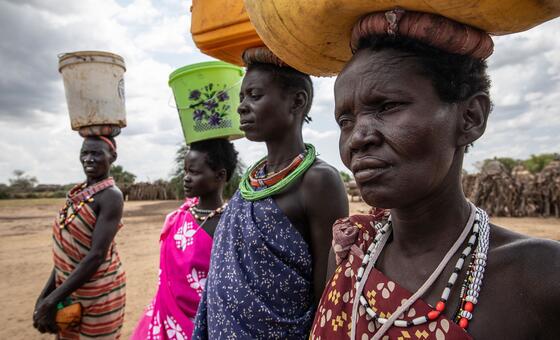
South Sudan is getting UN help to brace for drought. Farmers are learning new techniques to save crops when rain is scarce. Temperatures there can hit 100°F, and dry spells last months. The UN is stockpiling food and drilling wells.
- Training on drought-resistant crops
- Early warning systems being set up
- Emergency food reserves established
> "Prevention is always cheaper than relief," says a UN official. That's a lesson we can all take to heart.
These stories remind us how connected we are. What happens in Sudan or South Sudan can ripple through global markets and security. Stay informed, and maybe think about how you can support education or disaster relief efforts. Even small actions count.