The UN Just Addressed a Flydubai Incident — and 3 Other Crises You Need to Know About
Sarah Jenkins ·
Listen to this article~4 min
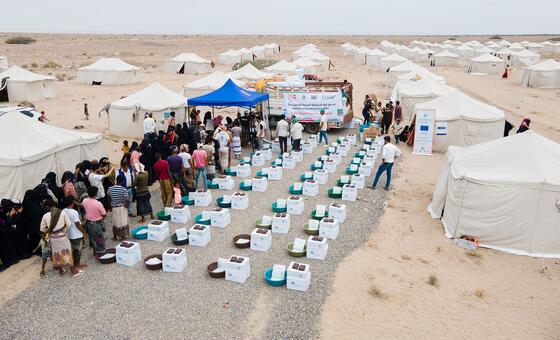
The UN Secretary-General addressed a Flydubai incident while Afghanistan, Yemen, and Lebanon face escalating crises. Here's what happened and why it matters.
The UN Secretary-General didn't mince words on Thursday. He stepped up to comment on the Flydubai plane incident from the day before, and honestly, it's the kind of statement that makes you stop scrolling and pay attention. But that wasn't the only thing on the agenda. In fact, the day's headlines painted a pretty grim picture across multiple regions. So let's break it down — no jargon, no fluff, just what's happening and why it matters.
### Flydubai Incident: What We Know So Far
Yesterday, a Flydubai aircraft was involved in an incident that quickly drew international attention. Details are still coming in, but the UN Secretary-General made it clear that civilian safety has to be the priority. He called for a thorough investigation and reminded everyone that aviation incidents — especially ones involving commercial airlines — have ripple effects far beyond the immediate passengers.
Now, I know what you're thinking: another plane story? But here's the thing — when the UN speaks this quickly, it usually means there's more beneath the surface. Could be diplomatic, could be technical, could be both. Either way, it's worth keeping an eye on.
### Afghanistan: At Least 10 Civilians Killed in Strikes
In Afghanistan, a series of strikes left at least 10 civilians dead. That's not a typo — 10 innocent people. The UN has repeatedly warned that civilian casualties are unacceptable under international law, and this latest incident only adds to the mounting evidence that something is deeply wrong with how these operations are being conducted.
What makes this even more frustrating? It's not an isolated event. It's a pattern. And patterns like this don't fix themselves. They require accountability, transparency, and a genuine commitment to protecting non-combatants. Right now, none of those seem to be in great supply.
### Yemen: Military Escalation Continues
Yemen just can't catch a break. The military escalation there is still going strong, which means more displacement, more hunger, more families caught in the crossfire. The UN has been sounding the alarm for months, but the situation keeps deteriorating.
Here's a quick snapshot of what's happening on the ground:
- Ongoing airstrikes and ground clashes in multiple governorates
- Humanitarian access severely limited in key areas
- Civilians facing acute food and water shortages
- Peace talks stalled with no clear timeline for resumption
It's easy to tune out when you hear "Yemen" for the hundredth time. But tuning out doesn't make it go away. If anything, it makes it worse.
### Lebanon: Record Number of Israeli Airstrikes in the South
UN peacekeepers in southern Lebanon have recorded a record number of Israeli airstrikes. That's not a record anyone wanted to break. The uptick in strikes has raised serious concerns about regional stability — and about whether the current ceasefire frameworks can hold.
Think of it like this: you're trying to keep a lid on a pot that's already boiling. Every new airstrike turns up the heat. Eventually, something's going to spill over. And when it does, it won't just affect Lebanon. It'll affect the entire region.
### Why This All Matters (Even If You're Far Away)
I get it. These stories can feel distant, especially if you're in the US and your biggest concern today is whether your flight gets delayed. But here's the reality: global instability has a way of showing up on your doorstep. Oil prices, supply chains, refugee flows, diplomatic tensions — they all connect back to these conflicts.
So no, you don't need to become a foreign policy expert overnight. But paying attention? That's the bare minimum. And if you want to go a step further, support organizations that are actually on the ground helping civilians. Every little bit counts.
> "In the face of escalating crises, silence is not neutral — it's complicity."
That quote stuck with me. Because it's true. Whether it's Afghanistan, Yemen, Lebanon, or a plane incident that makes headlines for a day, the world is watching. The question is: are we?