The UN Fund's 30-Year Fight: What Has It Actually Changed?
Eleanor Vance ·
Listen to this article~5 min
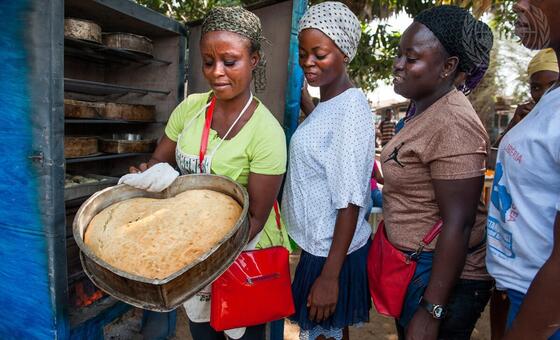
For 30 years, the UN's dedicated fund has mobilized over $250 million, supporting 700+ global initiatives to end violence against women and girls. What has this unprecedented focus actually achieved?
Thirty years is a long time to fight a single battle. But that's exactly what the United Nations has been doing. Back in 1994, the UN General Assembly did something unprecedented. They created the first—and still the only—fund within the entire UN system dedicated solely to ending violence against women and girls. It wasn't just another committee or a task force. This was a dedicated financial engine, built for one purpose. Think of it like a specialized tool in a massive toolbox; while other efforts addressed broader issues, this fund had a laser focus. Its mission was clear from day one: mobilize resources and support actions to eliminate this specific, global scourge. It's a focus that's remained unbroken for three decades.
### The Scale of the Commitment
So, what does 30 years of focused work look like in hard numbers? The impact is more significant than many people realize. The fund, officially called the UN Trust Fund to End Violence against Women, hasn't just been talking about the problem. It's been funding the solutions on the ground, in communities where change is needed most. Over these three decades, it has mobilized a staggering sum of money—more than $250 million. Let that number sink in for a second. That's a quarter of a billion dollars directed entirely toward protecting women and girls. That funding hasn't sat in an account; it's been put to work. The fund has supported over 700 initiatives across the globe. These aren't just vague "awareness campaigns." They are concrete programs run by local organizations who understand their communities best.
We're talking about initiatives that provide safe shelters, legal aid, counseling services, and economic empowerment programs for survivors. They work on prevention, too, educating men and boys, changing social norms, and strengthening laws. The fund's strategy has always been about backing the experts already doing the work, giving them the fuel they need to go further. It's a model of supporting local leadership for global change.
### Beyond the Dollars: The Ripple Effect
The real story isn't just in the dollar amount or the project count. It's in the ripple effect. Every shelter opened creates a safe haven. Every legal victory sets a precedent. Every community education program plants seeds for a future where violence isn't tolerated. Supporting 700 initiatives means there are now 700 more points of light in what can often feel like a dark landscape. These programs have touched countless lives directly, offering a lifeline to those in desperate situations. But perhaps more importantly, they've also shifted the conversation. Thirty years ago, violence against women was often a private matter, shrouded in silence and stigma. The very existence of this fund, and its persistent work, has helped drag this issue into the public sphere, onto government agendas, and into international policy discussions. It has legitimized the fight and provided a blueprint for action.
As one advocate involved with a funded program once told me, 'The money is crucial, but the validation is just as powerful. It tells us we are not alone in this fight.' That sense of global solidarity, backed by real resources, is an intangible but vital outcome.
### The Road Ahead
Looking back at 30 years of effort raises a big, obvious question: is the world safer for women and girls today? The honest answer is complicated. There's been undeniable progress in laws, services, and awareness. Yet, the prevalence of violence remains horrifically high. The fund's work highlights both the strides made and the daunting distance still to go. It proves that sustained, targeted investment can create pockets of safety and justice. But it also underscores that this isn't a problem you can "solve" and move on from. It requires perpetual vigilance and unwavering commitment. The next 30 years will demand even more—more funding, more innovation, and a deeper willingness to tackle the root causes of gender-based violence in every culture. The foundation has been laid. The network of frontline organizations is stronger. The question now is whether the global community will match their courage with the sustained support needed to finally turn the tide.