The Gathering That Could Reshape Global Politics This Week
William Harrison ·
Listen to this article~4 min
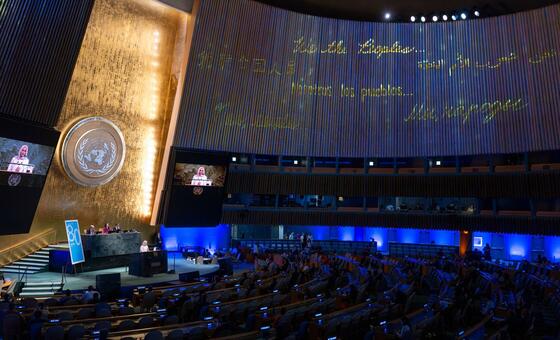
World leaders converge in NYC for the UN General Assembly's 81st session. With 71 heads of state, 45 heads of government, and a final session for Secretary-General Guterres, the stage is set for a pivotal week in global diplomacy.
So, here we are again. The world's most powerful people are converging on New York City, and it's not for a concert or a gala. This is the real deal—the opening of the 81st session of the United Nations General Assembly's general debate. Think of it as the world's most high-stakes, high-pressure conference call, except everyone has to fly thousands of miles to be there in person. It's a spectacle of diplomacy, a marathon of speeches, and a moment where the global agenda gets set, for better or worse.
This isn't just another meeting. The sheer scale of attendance tells you something is brewing. We're talking about 71 heads of state, 45 heads of government, 50 ministers, 11 vice-presidents, and even a crown prince. That's a lot of security details, motorcades, and carefully crafted messages all packed into a few square miles of Manhattan. The air is thick with possibility, tension, and frankly, a fair amount of political theater.
### Why This Session Feels Different
You can feel the weight of this moment. For one, it's the last hurrah for UN Secretary-General António Guterres, whose term wraps up on December 31st. That adds a layer of legacy and transition to everything. What tone will he set? What final priorities will he push from the podium? His leadership, or the perception of it, will be under a microscope, with every word analyzed for hints about the future of the institution he's led.
Then there's the lineup. Following tradition, Brazilian President Luiz Inácio Lula da Silva gets the first word. That's significant—it places a major Global South voice at the forefront. Right after him, we'll hear from U.S. President Donald Trump. The contrast in style, substance, and worldview between those two opening acts alone could define the entire week's narrative. It's a one-two punch that sets the stage for everyone who follows.
### What's Really on the Table?
Beyond the ceremonial aspects, these debates are where rubber meets the road. Leaders aren't just giving speeches; they're laying out their countries' positions on the most pressing issues of our time. We're likely to hear a lot about:
- Global security and ongoing conflicts
- Economic instability and trade tensions
- Climate change and energy transitions
- The future of multilateral institutions themselves
The subtext, of course, is the unspoken conversations happening in hallways and private meeting rooms. The real deals often get sketched out there, far from the cameras. That's where the true shape of "what happens next" gets formed.
I always think about these events like a giant, slow-moving storm system. You can see the major pressure fronts—the big powers—colliding. But it's the smaller eddies and currents, the alliances between midsize nations and the quiet advocacy groups, that often determine the eventual weather pattern for the rest of us.
It's easy to be cynical. To see it as a talk shop. But for professionals watching the global stage, this week is indispensable. The language used here, the alliances hinted at, the priorities emphasized—they filter down into policy, into markets, into the daily work of international relations. As one seasoned diplomat once told me over coffee, "It's where the world's to-do list gets written, in real time, in front of everyone."
The challenge is reading between the lines. The set-piece speeches are important, but watch for who meets with whom on the sidelines. Listen for the subtle shifts in rhetoric on key issues. Notice which leaders get the most attention, and which seem isolated. That's where the real story of the 81st General Assembly will unfold.
So grab your notebook, metaphorically speaking. This week in New York isn't just political news. For anyone engaged with how the world works, it's a masterclass in real-time geopolitics. The outcomes might not be clear for months, but the foundations are being laid right now, speech by speech, handshake by handshake, in that iconic building by the East River.