UN General Assembly Backs Palestine's Role in 81st Session
Emily Williams ·
Listen to this article~3 min
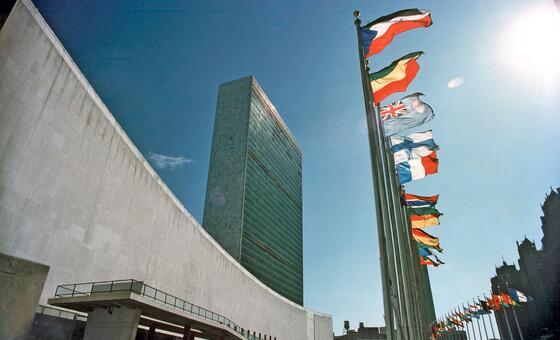
The UN General Assembly voted 152-3 to let Palestine participate in its 81st session. Here's what that means and why it matters.
The UN General Assembly just made a move that could shift how Palestine participates in global diplomacy. On Thursday, the Assembly adopted a resolution allowing the State of Palestine to take part in its 81st session. The vote wasn't close: 152 countries said yes, three said no, and four abstained.
That kind of lopsided result tells you something. It's not just a procedural vote—it's a signal about where the world's sympathies lie. And if you're following international relations, this is one of those moments worth pausing on.
### What the resolution actually does
Let's be clear about what this is and isn't. The resolution gives Palestine the right to participate in the Assembly's 81st session. That means Palestine can engage in debates, submit proposals, and be part of the conversation in a more formal way. It doesn't grant full UN membership—that's a separate process requiring a Security Council recommendation. But it's still a significant step.
Think of it like being invited to sit at the table instead of just watching from the hallway. You're not running the meeting, but your voice carries weight now.
### The numbers behind the vote
- 152 countries voted in favor
- 3 voted against
- 4 abstained
The margin is striking. When you get that many countries agreeing on anything at the UN, it's worth noting. It suggests a broad consensus that Palestine's participation is legitimate and necessary.
> "This resolution is about giving Palestine a seat—not just a voice—in the Assembly's work," one diplomat told reporters after the vote.
That quote captures the mood. It's not about dramatic gestures; it's about incremental but meaningful inclusion.
### Why this matters beyond the headlines
For Palestinians, this is a small but real win. It means their representatives can engage more directly with the international community on issues like humanitarian aid, economic development, and political rights. It also keeps the question of Palestine on the global agenda in a concrete way.
For the countries that voted yes, it's a statement. They're saying they want to see Palestine treated as a participant, not just a topic of discussion. That's a subtle but important distinction.
And for the three countries that voted no? They're now in a very small minority. That isolation could push them to rethink their approach—or dig in further. Only time will tell.
### What happens next
The 81st session will unfold over the coming months. Palestine's participation will be tested in real debates and negotiations. Will other countries treat its representatives as equals? Will its proposals get serious consideration? Those are the questions that matter now.
One thing's for sure: this vote changes the starting point. It's no longer about whether Palestine should be involved—it's about how that involvement plays out.
If you're tracking global politics, keep an eye on this. The ripples from a single resolution can spread further than anyone expects.