UN General Assembly Backs Palestine's Role in 81st Session—What It Means
Jessica Brown ·
Listen to this article~4 min
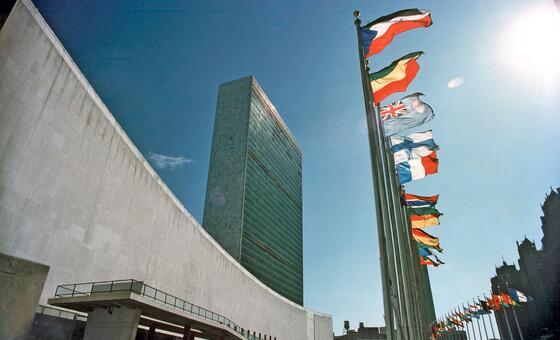
The UN General Assembly voted 152-3 to let Palestine participate in its 81st session. Here's what that lopsided vote actually means and why it matters.
In a move that caught the attention of diplomats and analysts worldwide, the United Nations General Assembly voted on Thursday to adopt a resolution allowing the State of Palestine to participate in its 81st session. The vote wasn't even close: 152 countries said yes, just three said no, and four abstained. That's a pretty lopsided result, and it raises a simple question—what happens next?
### The Vote Breakdown
Let's put those numbers in perspective. Out of 193 member states, 152 voted in favor. That's nearly 79% of the entire assembly. Only three countries opposed the measure, and four chose to sit it out. When you see that kind of margin, it's not just a routine procedural vote—it signals something bigger about how the world is leaning on this issue.
For anyone watching international politics, this is the kind of moment that gets people talking. It's not every day that you see such overwhelming support for a resolution involving Palestine.
### What This Resolution Actually Does
So, what does "participate in the work of the 81st session" mean in practice? It's not full membership—that's a different conversation. But it does grant Palestine enhanced rights within the General Assembly. Think of it like being invited to sit at the main table instead of watching from the hallway.
Here's what that could look like:
- The ability to submit proposals and amendments
- The right to speak in debates among member states
- Participation in procedural votes (though not final passage votes)
- Greater visibility and influence in shaping discussions
It's a step, not a leap. But in the world of diplomacy, steps matter. They set precedents. They shift expectations. And they often lead to bigger moves down the road.
### Why This Matters Beyond the Headlines
If you're not deeply into UN procedure, you might wonder why this is worth your attention. Fair question. The short answer: symbolism has power in international relations. When 152 countries line up behind a cause, it sends a message that's hard to ignore. It tells other nations, "This is where the momentum is."
As one seasoned diplomat put it off the record, "Votes like this don't change things overnight, but they change the weather. And weather shapes everything that grows."
That's not just poetic—it's practical. Countries that might have been on the fence start rethinking their positions. Alliances shift. Negotiations take on new urgency. And the countries that voted against? They often find themselves increasingly isolated, which has its own consequences.
### The Road Ahead
What happens now is less about this one resolution and more about the pattern it establishes. Palestine's role in the 81st session will be watched closely. Every speech, every proposal, every procedural move will be scrutinized for what it signals about the broader trajectory.
For observers in the United States, this is a moment to pay attention. The vote reflects a global landscape that's evolving in real time. And while the U.S. wasn't among the three "no" votes (it abstained), the outcome still carries weight for American foreign policy discussions.
### The Bottom Line
A 152-3 vote is not a subtle message. It's a loud one. Whether you follow UN politics closely or just catch the headlines, this is one of those moments that quietly reshapes the conversation. The 81st session hasn't even started yet, but the groundwork is already being laid.
And if history is any guide, what happens in the General Assembly rarely stays in the General Assembly. It ripples outward—into bilateral talks, regional alliances, and eventually, the kind of real-world changes that don't fit neatly into a news cycle.