UN's Latest Moves: Colombia Quake, Middle East, Ebola, and Youth
William Brown ·
Listen to this article~5 min
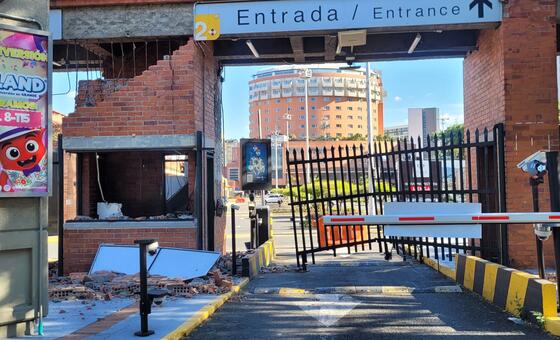
From the earthquake in Colombia to the Ebola response in the DRC, here's a breakdown of the UN's biggest priorities this week, including a major push for youth education.
It's been a busy stretch for the United Nations, and honestly, the last few days have packed in everything from natural disasters to public health emergencies. If you've been trying to keep up with what's actually happening on the global stage, you've probably noticed that a lot is going on at once. Let's break it down in plain English, because these stories affect all of us, even if they feel like they're happening a world away.
We're talking about a devastating earthquake in Colombia, a fresh push for peace in the Middle East, a serious Ebola outbreak in the Democratic Republic of the Congo, and a big call to action for young people everywhere. It's a lot to digest, so let's take it one piece at a time and see why each of these matters right now.
### Colombia's Earthquake Response: A Race Against Time
The ground shook hard in Colombia, and the aftermath has been nothing short of catastrophic for the communities in the affected regions. The UN and its partners haven't wasted a single minute, moving in to support the local authorities as they work through the rubble and try to get basic services back online. When a disaster like this hits, it's not just about the initial shock; it's about the days and weeks that follow.
Right now, the focus is on the essentials that people need to survive. Think about what you'd need if your home was gone tomorrow: clean water, a place to sleep, food that won't make you sick, and medical care for the injured. That's exactly what the relief teams are scrambling to provide. The coordination between international agencies and local first responders is critical here, because getting aid to the right places quickly can mean the difference between life and death.
### The Middle East: A Call for Calm and Diplomacy
Moving over to the Middle East, the UN Secretary-General has stepped up to the microphone with a clear and urgent message: it's time to de-escalate. The region has been a tinderbox for decades, and the latest flare-ups have everyone on edge. The appeal isn't just about stopping the immediate violence; it's about opening a door to a political solution that can actually hold.
The Secretary-General's language is carefully chosen, but the sentiment is straightforward. He's pushing for dialogue over destruction, and for leaders to have the courage to sit down and negotiate rather than resort to further conflict. It's a tough sell, but it's the only path that doesn't lead to more suffering. The international community is watching closely, and the hope is that cooler heads will prevail before things spiral even further out of control.
### Ebola in the DRC: Containing a Familiar Foe
Ebola is a word that strikes fear into the heart of public health officials, and it's back in the news again in the Democratic Republic of the Congo. The UN agencies are ramping up their response, but this isn't their first rodeo with this virus. The playbook is well-rehearsed, but that doesn't make it any less dangerous or complex.
Containing an outbreak in a region that has seen so much instability is a massive logistical challenge. It's not just about setting up treatment centers; it's about community engagement, tracking contacts, and ensuring that people trust the health workers enough to come forward when they have symptoms. Here's what the response typically involves:
- **Surveillance:** Tracking every suspected case to stop the chain of transmission.
- **Vaccination:** Rolling out the Ebola vaccine to high-risk populations as quickly as possible.
- **Safe Burials:** Ensuring that deceased individuals are handled with protocols that prevent further spread.
The goal is to snuff this out before it becomes a larger regional crisis. The world learned hard lessons from the 2014-2016 West Africa epidemic, and those lessons are being applied right now.
### International Youth Day: Investing in the Future
Finally, Wednesday marked International Youth Day, and the UN chief used the occasion to make a powerful point about education. He's calling for a world where every young person has access to the knowledge and skills they need to build a better future. It sounds simple, but it's a massive undertaking.
We're talking about millions of kids who are out of school, displaced by conflict, or living in poverty without a laptop or even a textbook. The argument here is that we can't solve the world's biggest problems—climate change, inequality, war—without empowering the generation that's going to inherit them. Investing in youth isn't charity; it's a strategic move for global stability.
The message is clear: if we want a safer, smarter, and more prosperous world in 20 years, we need to start by opening the classroom doors today. It's a long game, but it's the only one worth playing.