What the UN Report Reveals About Afghanistan's Security Forces
Robert Jones ·
Listen to this article~5 min
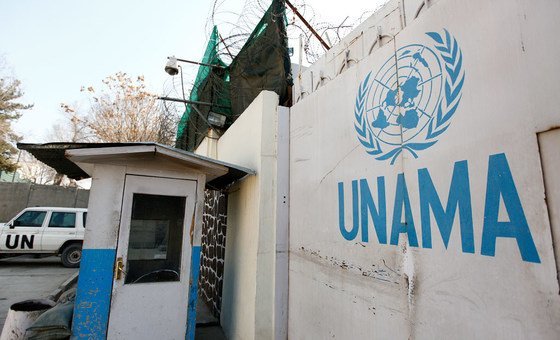
A new UN report reveals a critical transparency gap in Afghanistan's security forces under Taliban rule. Here's why it matters for global security and U.S. interests.
When the Taliban took over Kabul in August 2021, the world watched a chaotic exit and a sudden shift in power. But what's happened since then behind the scenes of Afghanistan's security apparatus? A new report from the United Nations Assistance Mission in Afghanistan (UNAMA) sheds light on a question that rarely makes headlines: are the country's de facto authorities actually holding their security forces accountable?
The short answer, according to the UN, is not really. And that's a big deal for anyone trying to understand the region's stability, the safety of civilians, or the future of counterterrorism efforts. Let's break down what the report actually says, why it matters, and what it could mean for the United States and its allies.
### The Core Finding: A Transparency Gap
UNAMA's report, released on a Monday, focuses on the period from August 2021 onward. It examines the efforts of Afghanistan's de facto authorities to ensure accountability within their own ranks. The headline finding? There's a serious lack of transparency when it comes to how they oversee and control their security institutions.
Think of it like this: if you run a company, you need clear reporting lines, audits, and consequences for misconduct. Without those, chaos breeds. The UN is essentially saying that Afghanistan's current leadership hasn't built those mechanisms. There's no clear public record of how decisions are made, who's responsible for what, or what happens when abuses occur.
### Why This Report Matters Right Now
You might wonder why a report about internal governance in Afghanistan should matter to you. Here's the thing: Afghanistan remains a hotbed for extremist groups, including ISIS-K and al-Qaeda affiliates. If the security forces there aren't accountable, they're less effective at countering those threats. That directly impacts U.S. national security, especially since American troops pulled out but intelligence operations and over-the-horizon capabilities remain.
- **Civilian protection**: Without oversight, there's a higher risk of human rights abuses and civilian casualties.
- **Counterterrorism**: Unaccountable forces are more susceptible to infiltration or corruption, making them unreliable partners.
- **Regional stability**: Neighboring countries, including China and Russia, are watching closely. A fragile Afghanistan could destabilize Central Asia.
### What the UN Recommends
The report doesn't just point fingers; it also lays out recommendations. The UN is urging the de facto authorities to establish clear chains of command, publish details on disciplinary actions, and allow independent monitoring. These aren't radical demands. They're basic governance practices that any functioning state should follow.
But here's the catch: the Taliban leadership has historically resisted outside scrutiny. They've argued that Western-style accountability doesn't fit their model. That's a convenient excuse, but it doesn't hold water when you're talking about a country with 40 million people and a history of civil war.
### The Bigger Picture: What It Means for the U.S.
For American policymakers, this report is a sobering reminder that the post-withdrawal era hasn't brought the stability many hoped for. The Biden administration has been cautious, keeping diplomatic channels open but not officially recognizing the Taliban government. Reports like this reinforce that caution.
There's also a practical angle. The U.S. has frozen billions of dollars in Afghan central bank assets. Some of that money could be used to fund security sector reforms, but without transparency, there's no guarantee it wouldn't be misused. That's a tough pill to swallow for anyone who wants to help the Afghan people without empowering a repressive regime.
### What Could Happen Next
It's unlikely the Taliban will suddenly embrace UN recommendations. But the report serves as a critical baseline. If the security situation deteriorates further, the international community will have clear evidence of where the blame lies. It also gives human rights organizations more ammunition to push for sanctions or targeted measures.
For now, the takeaway is simple: the lack of transparency isn't just an internal Afghan problem. It's a global security issue with ripple effects. Whether you're tracking geopolitical trends or just trying to understand the news, this is a story worth following.
The UN has done its part by documenting the facts. The hard part, as always, is getting the people in power to listen.