Civilian Toll Hits New High: UN Report Reveals Deadliest Month Since 2022
Julia Wagner ·
Listen to this article~4 min
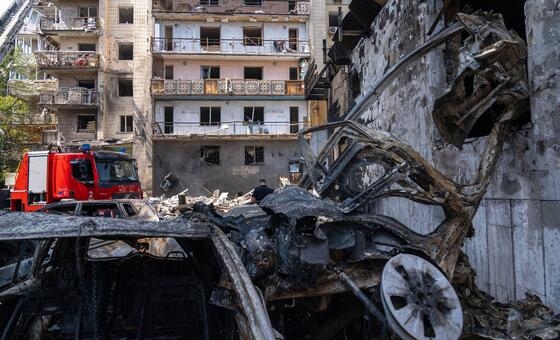
UN report reveals July 2026 was the deadliest month for Ukrainian civilians since March 2022, with casualties reaching their highest point in over four years.
The numbers are hard to process, but they're impossible to ignore. According to a fresh report from the UN Human Rights Monitoring Mission in Ukraine, July 2026 became the deadliest month for civilians since March 2022. That's not just a statistic—it's a grim milestone that tells us something important about the current state of the conflict.
When we talk about casualty figures, it's easy to get lost in the scale. But behind every number is a person, a family, a community shattered. The UN mission reported that the number of civilians killed and wounded in July exceeded every single month over the past four-plus years. That's a sobering reality check for anyone hoping the situation was improving.
### What the Data Actually Shows
The UN's monitoring team has been tracking civilian casualties since the full-scale invasion began. Their methodology is rigorous, relying on verified reports rather than speculation. Here's what stands out from the latest data:
- The July 2026 toll surpassed all monthly figures since March 2022
- Both killed and wounded counts hit their highest levels in that timeframe
- The increase wasn't marginal—it represented a significant jump from recent months
What makes this particularly troubling is the context. We're not talking about the chaotic early days of the war anymore. This is 2026, and the conflict has settled into a brutal pattern. Yet the danger to civilians hasn't decreased—it's actually gotten worse.
### Why Is This Happening Now?
You might be wondering what changed. Why would July be so much deadlier than the months before it? While the UN report doesn't dive deep into causes, the pattern suggests a few possibilities. Frontline dynamics shift constantly, and areas that were relatively quiet can suddenly become hotspots. Population centers that were previously considered safer have seen increased risks.
There's also the question of weaponry and tactics. As the conflict evolves, so do the methods used. Some of these changes have made it harder for civilians to find safety, even in areas far from the front lines. The reality is that no one in Ukraine is truly out of reach of the violence anymore.
### The Human Cost Behind the Numbers
It's easy to look at a chart and see lines going up. But let's pause for a second and think about what this actually means on the ground. We're talking about people going about their daily lives—shopping for groceries, walking kids to school, heading to work—and never coming home. Communities that have already endured so much are being asked to endure even more.
The UN mission's work is crucial here because it provides an independent, verified account of what's happening. When official sources on either side might have reasons to spin the narrative, the monitors offer a more objective picture. Their findings are used by humanitarian organizations to allocate resources and by governments to shape policy responses.
### What This Means Going Forward
The July figures should serve as a wake-up call. If the trend continues, we could see even higher numbers in the coming months. That has serious implications for humanitarian aid, for diplomatic efforts, and for the long-term recovery of the country.
For those of us watching from afar, it's easy to feel helpless. But staying informed matters. Understanding the reality on the ground helps counter misinformation and keeps the focus where it belongs—on the people who are bearing the heaviest burden.
The UN report is more than just a collection of statistics. It's a reminder that the cost of this conflict remains devastatingly high. And until there's a real push for peace, those numbers are likely to keep climbing.
If you want to dig deeper into the full findings, the UN mission publishes detailed reports on their website. It's heavy reading, but it's the kind of information that deserves our attention. Because behind every data point is a life that mattered.