UN Report: July's Civilian Toll in Ukraine Reaches New High
Sarah Atkinson ·
Listen to this article~4 min
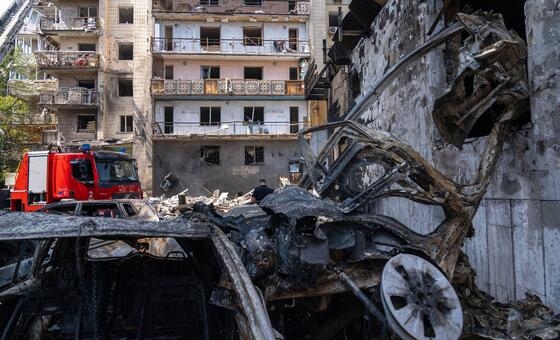
A new UN report reveals July 2026 saw the highest civilian casualties in Ukraine since March 2022. Here's what the data means and why this month was different.
The latest numbers out of Ukraine are hard to process, and honestly, they should be. A new report from the UN's human rights monitoring mission reveals that July 2026 was the deadliest month for civilians since the early days of the full-scale war back in March 2022.
That's a staggering statement. It means that even after all this time, the conflict is not just continuing—it's intensifying in its impact on ordinary people. The figures aren't just statistics; they represent families, homes, and futures torn apart.
### What the UN Report Actually Says
The UN Monitoring Mission on Human Rights released its findings on a Thursday, and the data is sobering. The total number of civilians killed and injured in July surpassed every single month recorded since March 2022. That's a four-year span of conflict, and this past month was the worst of it.
To put that in perspective, think about the early months of the invasion. That period is widely considered the most brutal phase of the war, when cities like Mariupol were under siege and the world watched in horror. Now, we're seeing casualty numbers that rival or exceed that timeframe.
### Why This Month Was Different
Several factors likely contributed to this grim milestone. The report points to a combination of intensified frontline fighting and a concerning uptick in strikes on residential areas. When attacks hit homes, schools, and hospitals, the civilian toll naturally skyrockets.
- **Increased use of heavy weaponry** in populated areas
- **A shift in frontline dynamics** pushing conflict into urban zones
- **Fewer safe zones** for non-combatants to flee to
The pattern is clear: the closer the fighting gets to where people live, the higher the price they pay. It's a tragic equation that has played out repeatedly in this war, and July was no exception.
### The Human Cost Beyond the Numbers
Every number in that UN report has a name. Behind each casualty figure is a person who was going about their daily life—buying groceries, walking to work, or simply sitting at home with their family. The scale of this loss is almost incomprehensible.
One of the most heartbreaking aspects is how many of these incidents could have been avoided. The report emphasizes that many strikes appeared to lack clear military objectives, hitting areas where civilians were known to be present. This isn't just a statistical anomaly; it's a pattern of behavior that demands attention.
### What This Means for the Conflict's Trajectory
If July's numbers are any indication, the conflict is showing no signs of cooling down. In fact, the trend line is moving in the wrong direction. For those tracking the war, this is a critical moment to reassess what the coming months might hold.
The international community's response to these findings will be telling. Will there be stronger calls for de-escalation? Or will the numbers become just another footnote in a long and tragic story? The answers to those questions could shape the next phase of the conflict.
### A Call for Awareness
It's easy to become numb to headlines about war, especially one that has dragged on for years. But reports like this serve as a vital reminder that the cost of conflict is measured in human lives. The fact that July set a new grim record should shake people out of any complacency.
Staying informed matters. Understanding what's happening on the ground helps citizens hold their leaders accountable and keeps the pressure on for diplomatic solutions. The people of Ukraine deserve more than just statistics—they deserve action and attention.
As the situation continues to evolve, one thing remains clear: the need for a peaceful resolution has never been more urgent. Every month that passes without one brings the risk of even higher numbers in the next report.