UN Report Reveals July Was the Deadliest Month for Ukrainian Civilians Since Early 2022
Emily Johnson ·
Listen to this article~4 min
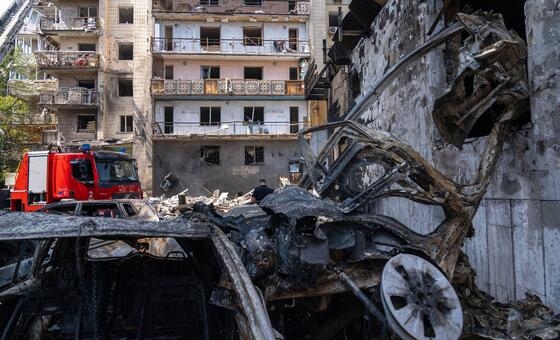
UN report reveals July 2026 saw the highest civilian casualties in Ukraine since March 2022. A sobering look at the human cost of the ongoing conflict.
The numbers are stark, and they demand our attention. According to the UN Human Rights Monitoring Mission in Ukraine, July 2026 saw the highest number of civilian casualties—both killed and wounded—since March 2022. That's a staggering statement when you consider the context of the ongoing conflict.
This isn't just a statistic on a page. Behind every number is a person, a family, a community shattered by violence. The report, released Thursday, paints a grim picture of the toll the war continues to take on ordinary people who just want to live their lives in peace.
### What the UN Report Actually Says
The monitoring mission's findings are clear: the casualty count in July exceeded every other month over the past four years. That includes some of the most intense periods of fighting we've seen. The fact that this is happening now, in 2026, tells us something important about the current state of the conflict.
We're not looking at a war that's winding down. We're looking at one that's potentially escalating in its brutality toward civilians. The mission has been tracking these numbers since the full-scale invasion began in February 2022, and the data points to a troubling trend.
### Why This Month Was Different
Several factors likely contributed to the spike in casualties. Military analysts have pointed to increased use of heavy weaponry in urban areas, which historically leads to higher civilian death tolls. When fighting moves into densely populated neighborhoods, the risks multiply exponentially.
- Shifting front lines have pushed conflict into areas where civilians haven't been evacuated
- More frequent strikes on infrastructure have led to secondary casualties
- Reduced access for humanitarian organizations means fewer people can escape danger zones
Each of these elements creates a perfect storm for civilian harm. And when you combine them, you get the kind of devastating numbers we're seeing in this report.
### The Human Cost Behind the Data
It's easy to get lost in the numbers, but let's take a moment to remember what they represent. We're talking about grandparents who won't see their grandchildren grow up. Parents who will never hold their children again. Young people with their whole lives ahead of them, gone in an instant.
The UN mission's work is crucial because it documents these tragedies systematically. Their reports serve as a record that historians will study for generations, and potentially as evidence in future accountability processes.
### What This Means Going Forward
This report should serve as a wake-up call to the international community. The pattern we're seeing suggests that civilians are bearing an increasingly heavy burden in this conflict. That's not just unacceptable—it's a violation of international humanitarian law.
The question now is what the global community will do with this information. Will it lead to increased pressure on the parties to the conflict to protect civilians? Will it result in more humanitarian aid reaching those who need it most? Or will it become just another report that gets filed away and forgotten?
### The Bottom Line
The UN's findings are sobering. We're seeing the highest civilian casualty numbers in over four years, and that's something we can't ignore. The people of Ukraine deserve better than to be caught in the crossfire of a war they never asked for.
As the conflict continues to evolve, one thing remains clear: the cost is being paid in human lives. And until the international community takes meaningful action to protect civilians, we can expect these numbers to keep climbing.
We'll continue to monitor this situation and bring you updates as more information becomes available. The story isn't over, and neither is our commitment to covering it with the seriousness it deserves.