UN Report Reveals a Grim New Peak in Ukraine's Civilian Toll
Eleanor Vance ·
Listen to this article~4 min
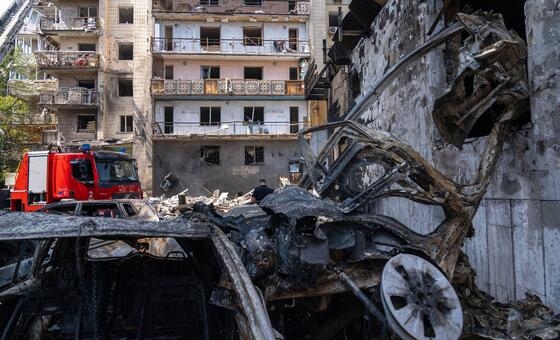
A new UN report reveals that civilian casualties in Ukraine hit their highest monthly total since March 2022. Here's what the data shows and why it matters.
The numbers are stark, and they demand our attention. In July 2026, the United Nations Human Rights Monitoring Mission in Ukraine released data showing that the number of civilians killed and wounded reached its highest point since March 2022. That's a sobering milestone, and it tells us something important about the current state of the conflict.
When you think about it, this isn't just a statistic. Behind every number is a person—someone's parent, child, or neighbor. The fact that we're seeing this level of harm now, years after the war began, suggests the situation on the ground is not improving. If anything, it's getting more dangerous for ordinary people.
### What the UN Report Actually Says
The UN's monitoring mission, which has been tracking civilian casualties since the invasion began, confirmed that July 2026 saw more civilian deaths and injuries than any other single month in the last four-plus years. That includes the brutal early days of the conflict, which is saying a lot.
Here's what stands out from the report:
- The casualty count includes both fatalities and injuries among the civilian population.
- The data covers the entire country, not just front-line areas.
- The UN team verified these numbers through multiple sources, including interviews with survivors and local officials.
This isn't a vague estimate. These are documented cases, and they paint a clear picture of escalating danger.
### Why This Month Was Different
You might be wondering why July stood out so dramatically. While the report doesn't break down every single incident, several factors likely contributed. Intensified shelling in urban areas, more frequent attacks on infrastructure, and a general uptick in hostilities all play a role. When you combine those elements, you get a recipe for higher civilian harm.
It's also worth noting that the summer months often bring more movement—people traveling, working outdoors, and going about their daily lives. That increased exposure can lead to more casualties when attacks happen.
### The Human Cost Behind the Numbers
Let's be real for a second. Numbers like these can feel abstract, but they shouldn't. We're talking about families torn apart, homes destroyed, and communities shattered. The psychological toll on survivors is immeasurable, and it lingers long after the physical wounds heal.
One thing that struck me in the report is how many of the casualties were in areas that had previously seemed relatively safe. That's a reminder that no place in the country is truly out of harm's way right now.
### What This Means Going Forward
The UN's findings are a warning sign. They suggest that the conflict is not winding down—it's intensifying. For the international community, this should be a call to action. For those of us watching from afar, it's a reason to stay informed and engaged.
There's also a practical angle here. Humanitarian organizations need more resources to help the wounded and displaced. Hospitals are stretched thin, and emergency services are overwhelmed. Without additional support, the situation could get even worse.
### A Moment to Reflect
If there's one takeaway from this report, it's that the human cost of war doesn't fade with time. It evolves, and sometimes it grows. The fact that July 2026 was the deadliest month since early 2022 should give us all pause.
We can't ignore these numbers or wish them away. What we can do is acknowledge them, understand what they mean, and push for solutions that prioritize civilian safety. That's the least we owe to the people who are living through this right now.
As the UN mission continues its work, we'll likely see more reports like this. Let's hope the next one brings better news—but until it does, we need to keep paying attention.