UN Reports July's Civilian Toll in Ukraine Hit a Grim New High
David Wilson ·
Listen to this article~4 min
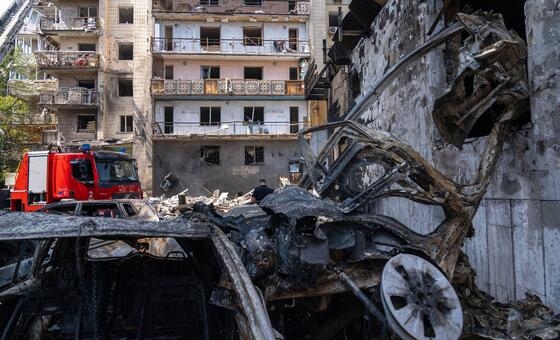
A new UN report reveals July 2026 saw the highest civilian casualties in Ukraine since March 2022. Here's what the data means and why it matters.
The numbers are hard to process, but they're impossible to ignore. In July 2026, the United Nations Monitoring Mission on Human Rights in Ukraine released data showing that the number of civilians killed and wounded reached its highest point since March 2022. That's a staggering statement, especially when you consider how long this conflict has already dragged on. We're not just talking about statistics on a spreadsheet here—we're talking about real people, families, and communities caught in the crossfire.
When I first saw this report, I had to read it twice. The fact that July's casualty figures eclipsed every other month in the past four-plus years isn't just a footnote in a news cycle. It's a signal that the situation on the ground is not stabilizing. If anything, it's intensifying in ways that demand our attention and, more importantly, our action.
### What the UN Report Actually Says
The UN Monitoring Mission's latest update paints a bleak picture. According to their data, the combined number of civilian deaths and injuries in July 2026 was higher than in any single month since the early days of the full-scale invasion back in March 2022. That's a benchmark that should give everyone pause.
Here are the key takeaways from the report:
- **Monthly Casualty Peak**: July recorded the highest combined casualty count among civilians in over four years.
- **Geographic Hotspots**: The heaviest toll was concentrated in frontline areas where shelling and aerial attacks remain relentless.
- **Ongoing Verification**: The UN team continues to cross-reference data from multiple sources, meaning the actual figures could be even higher once all cases are confirmed.
It's worth noting that the UN mission has been on the ground for years, documenting violations of international law and human rights. Their reports are among the most reliable sources of information we have, even when the news is hard to swallow.
### Why This Matters Beyond the Headlines
You might be wondering why this specific month matters more than any other. The truth is, it's not just about the number itself. It's about the trend. A spike like this suggests that the tactics being used are becoming more indiscriminate, or that densely populated areas are increasingly becoming battlegrounds.
For those of us watching from the United States, it's easy to feel disconnected from events happening thousands of miles away. But the ripple effects of this conflict—from energy prices to global food security—touch our lives in ways we often don't realize. And when civilian casualties hit a four-year high, it's a reminder that the human cost is not abstract. It's a wake-up call.
### The Human Element We Can't Forget
Behind every number in that UN report is a story that will never be fully told. A father who didn't come home. A child whose school was destroyed. A grandmother who lost everything she spent a lifetime building. These are not just casualties; they are lives interrupted by forces far beyond their control.
I've spent years working with data and systems, and I can tell you that no dashboard or spreadsheet can capture the weight of what these figures represent. The best we can do is to keep paying attention, keep demanding accountability, and keep supporting humanitarian efforts that provide relief to those who need it most.
### What Can We Take Away From This?
If there's one thing to take away from this report, it's that the situation is not improving. The international community has a responsibility to respond, not just with words, but with meaningful action. Whether that's through diplomatic pressure, humanitarian aid, or supporting organizations that document these atrocities, every effort counts.
For now, the UN's monitoring mission will continue its work, documenting what it sees and holding the world's attention to the reality of war. And for us, the least we can do is not look away. The numbers might be grim, but ignoring them won't make them go away.