The UN's Big Restoration Push: What's Working and What's Not
Anna Müller ·
Listen to this article~3 min
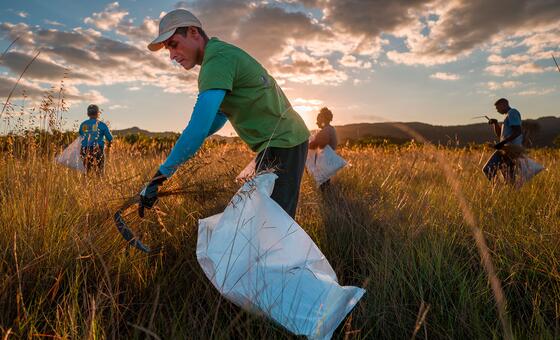
The UN reports 252 million hectares restored globally, but funding must quadruple to meet 2030 goals. Here's what's working and what needs to change.
You might have heard about the UN's latest biodiversity conference, COP17, held in Yerevan, Armenia. The big news? We're restoring 252 million hectares of ecosystems worldwide – that's about 622 million acres, roughly the size of Mexico and Spain combined. And it's happening across 149 countries. This is the largest documented restoration effort ever. But before we pop the champagne, there's a catch.
### The Good News: Restoration Is Happening
All those efforts have created over 1 million green jobs. That's a big deal. It means restoring forests, wetlands, and grasslands isn't just good for the planet – it's good for the economy. People are getting paid to plant trees, restore mangroves, and bring back biodiversity. And these aren't just temporary gigs; many are long-term careers in conservation and sustainable land management.
But here's the thing: we're still not doing enough. To meet the 2030 goals, we need to ramp up the pace dramatically. And funding? It needs to more than quadruple. Yeah, you read that right. More than four times the current annual funding.
### The Challenge: We're Moving Too Slow
Let's put this in perspective. We have about 252 million hectares in restoration. That's impressive, but we need to restore way more to hit the targets set by the UN Decade on Ecosystem Restoration. And the clock is ticking. 2030 is just around the corner.
So why aren't we moving faster? For one, restoration projects can be expensive and complex. They require careful planning, local community involvement, and long-term monitoring. Plus, there's the issue of land rights and competing interests – agriculture, urbanization, and industry all want a piece of the pie.
But the biggest hurdle is funding. Governments and private investors need to step up. The UN is calling for a massive increase in financial commitments. Without it, we'll fall short.
### What Needs to Happen Next
First, countries need to integrate restoration into their national policies and budgets. It can't just be a side project; it needs to be a priority. Second, private sector investment is crucial. Companies can contribute through sustainable supply chains, carbon credits, and impact investing. Third, we need to empower local communities. They're the ones on the front lines, and their knowledge is invaluable.
> "Restoration is not just about planting trees; it's about restoring relationships between people and nature." – UN Environment Programme
That quote sums it up nicely. It's not just about the numbers; it's about creating a sustainable future for all.
### The Bottom Line
We've made progress, but we're far from done. The UN's report is a wake-up call. We need to accelerate restoration efforts and increase funding if we want to meet the 2030 goals. It's doable, but it requires commitment from everyone – governments, businesses, and individuals. So next time you hear about a restoration project, ask yourself: what can I do to help? Maybe it's supporting a local initiative, or maybe it's just spreading the word. Every little bit counts.