UN's Top Human Rights Official Sounds Alarm on Iran's Execution Surge
James Moore ·
Listen to this article~4 min
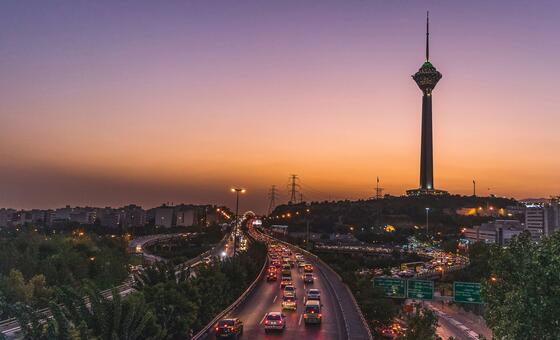
The UN's top human rights official warns that Iran's sharp rise in executions is a deliberate tactic to intimidate citizens and crush dissent. Here's why it matters.
The United Nations' top human rights official is speaking out in stark terms about what he calls a deeply troubling trend in Iran. Volker Türk, the UN High Commissioner for Human Rights, has raised serious concerns over a sharp spike in executions and death sentences across the country. His message is blunt: the death penalty in Iran isn't just about justice—it's being used as a tool to intimidate the public and silence dissent.
That's a heavy accusation, and it's one that carries real weight coming from someone in Türk's position. He's not just pointing at statistics; he's describing a pattern of state behavior that he believes is designed to create fear. And when a government uses executions as a weapon of psychological control, the implications go far beyond the individuals on death row.
### What the UN High Commissioner Actually Said
In his latest statement, Türk didn't mince words. He called on Iranian authorities to halt all executions immediately and to start taking concrete steps toward abolishing the death penalty altogether. That's a clear, two-part demand: stop the current practice, and begin the long process of ending it for good.
His concern isn't abstract. The numbers tell a story of their own. Over the past year, Iran has carried out hundreds of executions, many of them for drug-related offenses. But Türk argues the real purpose is broader—to send a message to anyone who might think about challenging the regime.
> "The death penalty is being used as an instrument to instill fear and suppress peaceful dissent," Türk said in his recent remarks.
That's not just a legal opinion; it's a moral judgment. And it's one that puts Iran's government squarely in the crosshairs of international scrutiny.
### Why This Matters Beyond Iran's Borders
You might be wondering why this should matter to someone living in the United States. Here's the thing: human rights abuses don't happen in a vacuum. When a major nation uses executions as a political tool, it sets a dangerous precedent. It chips away at the global norms that protect all of us from arbitrary state power.
Also, there's the practical angle. Iran's execution surge has direct ties to international relations, sanctions policy, and even global security. The U.S. government has long condemned these practices, and the UN's stance reinforces the pressure campaign on Tehran.
### The Human Cost Behind the Headlines
Behind every statistic is a person. Families torn apart. Lives cut short. Communities living in fear. The UN's appeal isn't just about policy—it's about basic human dignity.
Türk's call for a moratorium on executions is a first step, but he's clear that it's not enough. He wants Iran to move toward full abolition. That's a tall order, especially given the current political climate, but it's the only path that aligns with international human rights standards.
### What Happens Next
Right now, the ball is in Iran's court. The UN has made its position clear, and the international community is watching. Whether Tehran responds with reform or defiance will likely shape the conversation for months to come.
For those of us paying attention, this is a moment to keep watching. The outcome could influence how other nations handle their own justice systems, and it will certainly affect how the world engages with Iran on a diplomatic level.
If you're concerned about human rights, this is a story worth following. It's not just about one country—it's about the standards we all agree to uphold, and what happens when those standards are tested.