UN Rights Chief: Iran's Executions Are a Tool of Fear
Eleanor Vance ·
Listen to this article~5 min
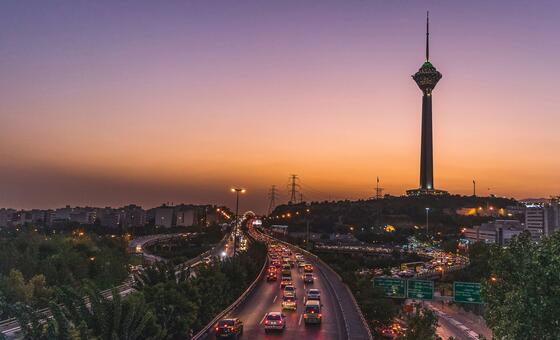
UN High Commissioner Folker Türk warns that Iran's rising execution rate is a deliberate tactic to intimidate citizens and suppress dissent, urging Tehran to halt capital punishment.
The United Nations' top human rights official has issued a stark warning about the escalating use of the death penalty in Iran. The message is clear: executions are no longer just about punishment—they're about control. Folker Türk, the UN High Commissioner for Human Rights, says the surge in executions and death sentences is a deliberate strategy to terrorize the public and crush any form of dissent.
### What's Happening in Iran?
Iran has seen a sharp spike in executions over the past year, and the numbers are hard to ignore. The UN has documented hundreds of cases, with many trials failing to meet even basic international standards. Accused individuals often face charges that are vague, and the legal process is frequently opaque. For anyone watching from the outside, the pattern is worrying: the courts move fast, the verdicts are final, and the message to the population is unmistakable.
Türk didn't mince words in his latest statement. He described the death penalty as a blunt instrument used to instill fear and silence opposition. This isn't just about criminal justice—it's about power. When the state can take a life with minimal due process, it sends a chilling signal to anyone who might consider speaking out.
### Why This Matters Beyond Iran's Borders
Human rights groups have long argued that the death penalty is a violation of the most basic right—the right to life. But in Iran, the issue is compounded by how the system functions. Executions are often carried out in secret, and families are sometimes not even informed until after the fact. This lack of transparency makes it nearly impossible for international observers to verify what's really happening on the ground.
The UN's call for a moratorium isn't just a legal technicality. It's a demand for accountability. When a government uses executions to maintain control, it erodes the rule of law for everyone. It also creates a cycle of violence that's hard to break. The High Commissioner has urged Iranian authorities to pause all executions and take concrete steps toward abolishing the practice altogether. So far, there's been no official response from Tehran.
### The Broader Fight Against Capital Punishment
Iran isn't alone in using the death penalty, but it stands out for the sheer scale and speed of its executions. According to Amnesty International, Iran consistently ranks among the top countries for executions globally, trailing only China. In many cases, the charges are drug-related, which has drawn particular criticism from human rights advocates who argue that addiction should be treated as a health issue, not a capital offense.
- **Drug offenses**: A large share of executions stem from narcotics charges, despite international calls to decriminalize drug use.
- **Political prisoners**: Activists and journalists have been targeted, with trials that often lack basic legal safeguards.
- **Juveniles**: In some documented cases, individuals who were minors at the time of their alleged crime have been executed, which violates international law.
The UN's stance is part of a global trend. More than 100 countries have abolished the death penalty in law or practice, and the pressure on holdouts continues to grow. For now, the focus remains on Iran, where every execution chips away at the possibility of reform.
### What Comes Next?
The High Commissioner's statement is a call to action, not just for Iran but for the international community. Human rights organizations are pushing for stronger sanctions and diplomatic pressure. The hope is that sustained scrutiny will force Tehran to reconsider its approach. But history suggests that change, if it comes, will be slow.
For now, the situation remains grim. Every week brings reports of new executions, and the UN's warnings seem to fall on deaf ears. Still, the advocates keep pushing. They argue that even a pause in executions would be a step forward—a chance to open a dialogue about justice, human rights, and the kind of society Iran wants to be.
In the end, this isn't just about one country or one policy. It's about the fundamental question of whether governments have the right to kill their own citizens. The UN's message is simple: no state should use the death penalty as a weapon of fear. The world is watching, and the clock is ticking.