UN Security Council Meets on Middle East Amid Global Crises: Renewables, Hepatitis, Refugee Convention Anniversary
Emily Brown ·
Listen to this article~5 min
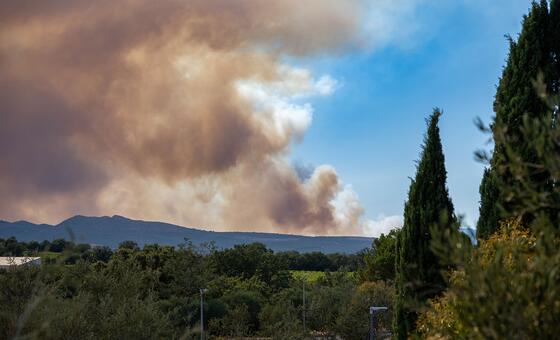
UN Security Council meets on Middle East tensions as wildfires in Europe push for renewable energy. WHO targets universal hepatitis care. Refugee Convention turns 75.
The United Nations and global community are facing a packed agenda this Tuesday, with critical developments unfolding across the Middle East, Europe, and global health and human rights sectors. Here’s a breakdown of the key stories you need to know.
### UN Security Council Emergency Meeting on the Middle East
The UN Security Council convened an emergency session today to address escalating tensions in the Middle East. This is a fast-moving situation, and the international body is under pressure to find a diplomatic path forward. The meeting comes as reports of renewed violence and humanitarian concerns continue to surface.
What does this mean for the region? It’s a stark reminder that stability remains fragile. The Council’s ability to issue a unified statement or resolution could set the tone for the coming weeks. For professionals tracking geopolitical risk, this is a moment to watch closely.
### Wildfires in Europe: A Call to Accelerate Renewable Energy
As wildfires rage across parts of Europe, the UN is urging the international community to speed up the transition to renewable energy sources. These fires aren’t just a seasonal nuisance—they’re a symptom of a warming planet. The UN’s message is clear: we can’t afford to wait.
- The fires have already destroyed thousands of acres of land, displacing communities and wildlife.
- Experts link the severity and frequency of these blazes to climate change, driven by fossil fuel emissions.
- The UN is calling for immediate investment in solar, wind, and other clean energy technologies.
This isn’t just an environmental issue; it’s an economic one. The cost of inaction—measured in property damage, health impacts, and lost productivity—far outweighs the investment in renewables. For businesses, this signals a shift in regulatory and market landscapes. Companies that lead on sustainability may find themselves better positioned for the future.
### WHO Targets Universal Access to Hepatitis Prevention and Treatment
The World Health Organization (WHO) has announced a renewed push to ensure universal access to tools for preventing, diagnosing, and treating hepatitis. This viral infection affects millions worldwide, often without symptoms until it’s too late.
Why now? Hepatitis remains a leading cause of liver disease and cancer, yet it’s largely preventable and treatable. The WHO’s goal is ambitious: to eliminate hepatitis as a public health threat by 2030. But achieving this requires coordinated action from governments, healthcare providers, and pharmaceutical companies.
Key steps include:
- Expanding vaccination programs, especially in underserved regions.
- Making diagnostic tests affordable and accessible.
- Ensuring that antiviral treatments reach those who need them most.
For healthcare professionals, this is a call to action. Simple screening protocols in primary care can catch cases early, saving lives and reducing long-term costs.
### 75 Years of the Refugee Convention: A Legacy Under Strain
This year marks the 75th anniversary of the UN Refugee Convention, a landmark treaty that defines who is a refugee and sets out their rights. It’s a document born from the ashes of World War II, designed to protect the most vulnerable.
But the convention is under strain. With record numbers of people displaced by conflict, persecution, and climate change, the system is struggling to keep up. Many countries are tightening borders, making it harder for refugees to seek safety.
The anniversary is a moment for reflection. The convention’s core principle—that no one should be returned to a place where they face persecution—remains as relevant today as it was in 1951. Yet, its implementation is uneven at best.
For policymakers and advocates, this is a chance to reaffirm commitments and push for reforms that make the system more responsive to modern realities. It’s also a reminder that protecting refugees isn’t just a legal obligation; it’s a moral one.
### What This Means for Rezka Professionals
These stories, while diverse, share a common thread: they highlight the interconnected nature of global challenges. From the Middle East to Europe to global health, decisions made today will shape the world for years to come.
For professionals in the Rezka space, staying informed is key. Whether you’re advising clients on geopolitical risk, investing in sustainable technologies, or working in public health, these developments offer both challenges and opportunities. The key is to stay agile and think long-term.
Stay tuned for more updates as these stories evolve.