9/11 Through UN Staff Eyes: The Shockwave That Never Fades
Eleanor Vance ·
Listen to this article~3 min
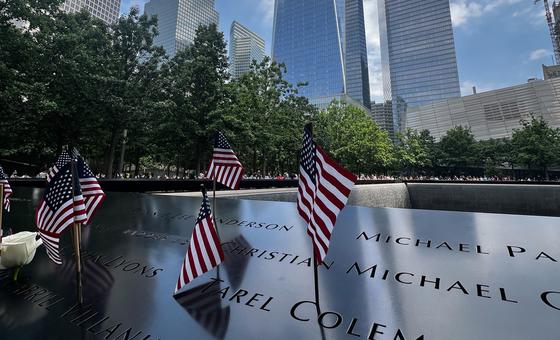
Twenty-five years ago, three UN staffers in New York began a routine September morning. What they witnessed would change them forever. Here's what they remember.
### A Morning Like Any Other
Twenty-five years ago, three United Nations staff members walked into their Midtown Manhattan offices expecting a routine Tuesday. The September sky was clear. The coffee was fresh. No one had any idea that within hours, their lives—and the world—would split into "before" and "after."
I spoke with them recently. What struck me wasn't just the horror they witnessed. It was how vividly they still remember the small things. The sound of the first plane. The way the floor shook. The silence that followed.
### When the First Tower Fell
"We heard this low rumble," one recalled. "Not loud at first. Like a heavy truck passing. Then the windows rattled, and everyone just froze."
From their offices near the UN complex, they watched smoke billow across the East River. They saw the second plane hit. They watched both towers collapse. And they felt something else collapse too—the belief that any of us are truly safe.
- **The shockwave wasn't just physical.** It rippled through every meeting, every phone call, every attempt to "get back to normal."
- **The UN went into crisis mode.** Staff evacuated, but many stayed to coordinate emergency response.
- **Personal and professional blurred.** These weren't just diplomats or analysts. They were parents, spouses, friends trying to reach loved ones.
### "We Didn't Have a Playbook for This"
One woman told me she spent the first hour trying to call her sister, who worked three blocks from the World Trade Center. The lines were dead. She kept hitting redial until her thumb ached.
"You train for political crises," she said. "You don't train for watching your city burn from your office window."
> "The shockwave still hits me every September. Not the fear. The helplessness. That's what lingers."
That quote stayed with me. It's not about politics or policy. It's about being human in a moment that makes no sense.
### What They Want You to Know
Twenty-five years later, these three staffers don't want a monument. They don't want a documentary. They want people to remember the ordinary morning that turned into an unthinkable day.
They want you to know that even in the darkest hours, strangers helped strangers. That the UN cafeteria became a makeshift shelter. That people shared phone chargers, water bottles, and quiet encouragement.
### The Shockwave Today
One of them now works with trauma survivors. Another retired early, unable to shake the sound of the collapse. The third still works at the UN, but every September 11, she takes the day off. She walks to the memorial. She reads the names.
"The shockwave isn't a metaphor," she told me. "It's real. It hits you when you least expect it. A siren. A low-flying plane. A clear blue sky."
If there's a lesson here, it's not about geopolitics. It's about paying attention. To the ordinary mornings. To the people beside you. To the fact that nothing—absolutely nothing—is guaranteed.