UN Vote on Palestine: What 152 Nations Just Decided
Greta Müller ·
Listen to this article~3 min
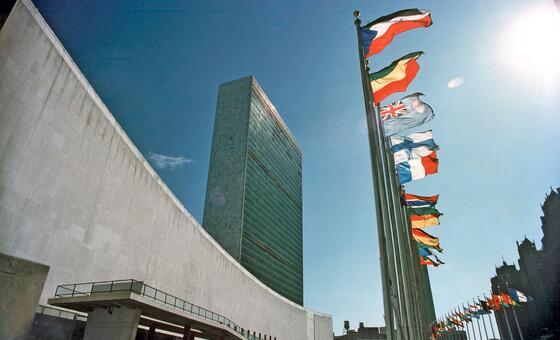
The UN General Assembly voted 152 to 3 in favor of letting Palestine participate in its 81st session. Here's what that vote actually means and why it matters.
So here's something that happened on Thursday that a lot of people might have scrolled past. The UN General Assembly passed a resolution allowing the State of Palestine to participate in its 81st session. And the vote? It wasn't even close. 152 countries said yes. Only three said no. Four abstained.
That's a pretty striking margin, right? It tells you something about where the world is leaning on this issue.
### What This Resolution Actually Means
Let's break it down without the diplomatic jargon. The General Assembly is basically the big room where all UN member countries get a seat and a vote. When they pass a resolution like this one, it's not just symbolic. It opens the door for Palestine to take part in the session's work in a more official capacity.
Now, it's not full membership. That's a different process, and it usually runs through the Security Council, where things get a lot more complicated. But participation still matters. It means Palestine gets a seat at more tables, a voice in more conversations.
Think of it like being invited to a meeting you used to just hear about afterward. You're not running the meeting, but you're in the room.
### The Numbers Tell a Story
When you look at the vote count, the story gets clearer:
- 152 countries voted in favor
- 3 countries voted against
- 4 countries abstained
That's an overwhelming majority. In a world where getting 152 countries to agree on anything feels nearly impossible, this stands out. It suggests a broad international consensus that Palestine should have a stronger presence in UN proceedings.
### Why This Matters Beyond the UN
Here's the thing. UN resolutions don't always change things overnight. But they do send signals. They show where the international community stands, and they can shift how countries approach diplomacy behind the scenes.
For people following this issue, the vote is a barometer. It's a way to see which nations are willing to take a public stance and which ones are holding back. The three countries that voted no? That's a choice they'll have to explain. The four abstentions? That's a careful middle ground that often means internal debate.
### What Happens Next
The 81st session will move forward with Palestine participating in a way it hasn't before. Whether that leads to bigger changes down the road is still an open question. But for now, the message from Thursday is hard to miss: most of the world's nations want Palestine more involved, not less.
And honestly, that's the kind of thing worth paying attention to. Not because it solves everything, but because it shows which way the wind is blowing.