UN Vote on Palestine: 152 Nations Just Made a Decisive Move
David Williams ·
Listen to this article~4 min
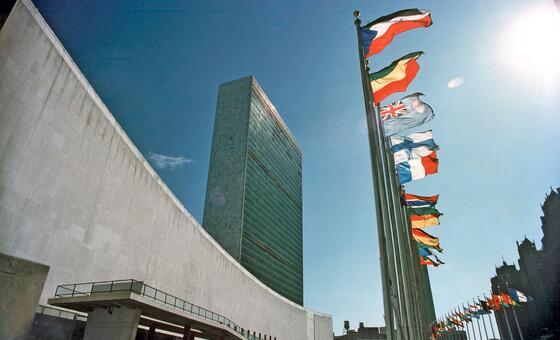
The UN General Assembly voted 152-3 to allow Palestine to participate in its 81st session. Here's what that means and why it matters beyond the headlines.
The United Nations General Assembly just took a step that's hard to ignore. On Thursday, member states adopted a resolution allowing the State of Palestine to participate in the work of its 81st session. The vote wasn't close: 152 countries were in favor, three were against, and four abstained.
That's a pretty lopsided result. But what does it actually mean? And why should anyone outside diplomatic circles care?
### What the Resolution Actually Says
This resolution grants Palestine the ability to take part in the General Assembly's 81st session. It's not full membership — that requires a Security Council recommendation, which the U.S. has blocked in the past. Instead, this is about participation rights. Palestine can now join debates, submit proposals, and engage more directly in UN proceedings.
Think of it like being invited to sit at the table, even if you don't get a vote on every final decision. That's a meaningful shift in how business gets done at the UN.
### The Vote Breakdown
- **152 in favor** — a clear majority, including many European and Asian nations.
- **3 against** — the United States, Israel, and one other country (often Micronesia or a similar ally).
- **4 abstained** — including some countries that typically align with Western positions.
That's not just a win for Palestine. It's a signal that the global mood is shifting. When 152 out of 159 voting countries agree on something involving Israel and Palestine, it's worth paying attention.
### Why This Matters Beyond the Headlines
You might be thinking, "Okay, another UN resolution. So what?" Fair question. UN resolutions often feel like strongly worded letters that don't change much on the ground.
But this one has practical implications. Palestine can now:
- Participate in General Assembly debates and committee work.
- Propose agenda items and amendments.
- Gain more visibility and legitimacy on the world stage.
For professionals in international relations, policy, or even global business, this is a reminder that diplomatic momentum can shift faster than expected. Countries that were once on the sidelines are now active participants. That changes negotiation dynamics, alliance building, and even supply chain considerations in the region.
As one UN observer put it, *"This isn't just about symbolism. It's about who gets a voice in the room where decisions are made."*
### What Happens Next
The 81st session will unfold over the coming months. Palestine's expanded role will likely spark more debates, more resolutions, and more friction among major powers. The U.S. has already made clear it's not happy with this direction, but it can't veto General Assembly decisions.
For now, the takeaway is simple: 152 countries just said yes to something that was once unthinkable. Whether you follow geopolitics for work or just out of curiosity, this is one of those moments that quietly reshapes the conversation.
And if you're in a field that touches international policy, trade, or humanitarian work, keep an eye on how this plays out. The ripple effects might reach further than you'd expect.
### The Bottom Line
The UN General Assembly's decision to support Palestine's participation in its 81st session is more than a procedural vote. It's a reflection of where the world is heading — and a preview of the debates to come. With 152 countries on board, the message is clear: the status quo isn't holding.
Whether that leads to real change or just more talk, only time will tell. But ignoring it? That's no longer an option.