UN Warns New Russian Law Could Mean 'Civil Death' for Exiles
Jessica Williams ·
Listen to this article~4 min
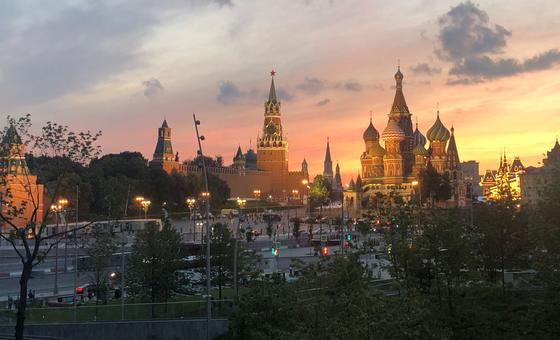
UN Special Rapporteur Mariana Katzarova warns that Russia's new law targeting exiled critics could mean 'civil death' for those abroad, stripping them of property rights and legal protections.
A top United Nations human rights official is raising alarms about a new Russian law that could have devastating consequences for Russians living abroad. The law, which targets critics of the Kremlin and opponents of the war in Ukraine, isn't just a domestic crackdown—it's creating a system of persecution that reaches across borders.
Mariana Katzarova, the UN Special Rapporteur on the situation of human rights in the Russian Federation, didn't mince words. She warned that this legislation effectively sentences exiled critics to what she called "civil death." That's a heavy term, and it's worth unpacking what it actually means for the people caught in this situation.
### What Does 'Civil Death' Mean in Practice?
When Katzarova talks about civil death, she's pointing to a legal status that strips away the basic rights and recognitions that most of us take for granted. For Russian exiles, this could mean losing the ability to manage property, access bank accounts, or even participate in legal proceedings back home. It's a way of rendering someone a non-person in the eyes of the state, even if they're thousands of miles away.
This isn't just a theoretical concern. The law is designed to hit hard at people who've spoken out against the government or the military campaign in Ukraine. The message is clear: leave the country and speak your mind, and you might lose everything you left behind.
### A New Wave of Repression
The UN rapporteur's warning highlights a troubling trend. This law isn't an isolated incident—it's part of a broader pattern of escalating repression inside Russia. The government has been tightening the screws on dissent for years, but this move takes things to a new level by extending its reach beyond its own borders.
For the estimated hundreds of thousands of Russians who've fled since the war began, this creates a real dilemma. You can escape the immediate danger, but you can't necessarily escape the long arm of the state when it comes to your assets, your legal status, and your future options for returning home.
### What This Means for Exiles
If you're a Russian citizen living abroad and you've been critical of the government, here's what you need to understand:
- **Property and assets**: Your ability to manage or sell property in Russia could be severely restricted or outright blocked.
- **Legal status**: You might find yourself unable to use Russian courts to resolve disputes or protect your rights.
- **Financial access**: Bank accounts and investments could be frozen or seized, making it difficult to move money or support yourself.
- **Return options**: Even if you want to go back to Russia someday, this law could make that path significantly harder or even impossible.
It's a stark reminder that exile isn't always a clean break. The legal and financial ties that bind you to your home country can become weapons against you.
### The International Response
The UN's involvement signals that this isn't just a domestic issue. Katzarova's statement is part of a broader international scrutiny of Russia's human rights record. Other countries and international bodies are watching closely, and there may be diplomatic or legal consequences down the line.
For now, though, the immediate impact falls on the individuals affected. If you're in this situation, it's worth seeking legal advice from professionals who specialize in cross-border cases. Understanding your rights and options before the law takes full effect could make a real difference.
### Final Thoughts
This law is a sobering development for anyone who cares about human rights or has ties to Russia. It's a reminder that authoritarian measures can have far-reaching consequences, extending well beyond a country's borders. For the exiles caught in the middle, it's a difficult and uncertain road ahead—but knowing what's coming is the first step in preparing for it.