The UN Just Warned South Sudan Could Face Mass Atrocities Again
David Smith ·
Listen to this article~3 min
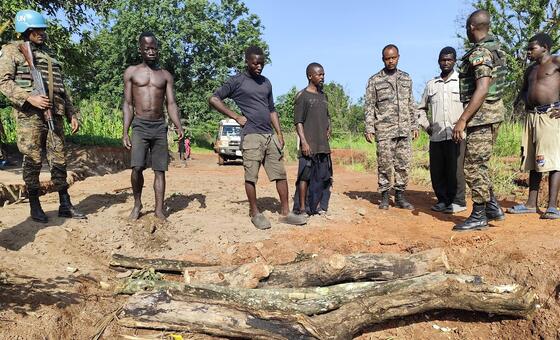
The humanitarian crisis in South Sudan is escalating while global attention fades. The UN warns that renewed fighting could trigger mass atrocities across the African nation.
The humanitarian crisis in South Sudan is getting worse, even though global media coverage has quietly faded. That's a dangerous combination.
According to the UN Commission on Human Rights in South Sudan, which was established by the Human Rights Council, the risk of mass atrocities is climbing as renewed fighting spreads across the African nation. The warning is stark, but it's barely making headlines.
### Why the Silence Is Dangerous
When the world stops paying attention, the worst things can happen unnoticed. That's the core concern here. The Commission's latest report doesn't just describe a bad situation; it describes a trajectory that's heading toward something far darker.
We're not talking about isolated incidents. We're talking about the potential for widespread, systematic violence against civilian populations. The kind of crimes that the international community promised would never happen again after Rwanda and the Balkans.
### What the UN Is Actually Saying
The Commission's language is careful, as UN reports often are. But the meaning is clear: if the current trajectory continues, we could see atrocities on a massive scale. They're pointing to specific patterns:
- Renewed fighting in multiple regions, not just one hotspot
- Targeting of civilians based on ethnicity
- Collapsing humanitarian access to vulnerable communities
- A government that appears unwilling or unable to protect its people
These aren't speculative concerns. They're based on documented evidence gathered by UN investigators on the ground.
### The Human Cost Behind the Headlines
It's easy to get lost in diplomatic terms like "humanitarian crisis" and "mass atrocities." But let's be real about what that means. It means families fleeing their homes with nothing. It means children going hungry while the world scrolls past. It means women and girls facing violence as a weapon of war.
South Sudan has been independent since 2011, and it's been in conflict for most of that time. The optimism of independence day has long since evaporated, replaced by a grim cycle of violence, displacement, and suffering.
### What Could Happen Next
The UN Commission isn't just issuing warnings for fun. They're trying to galvanize action before it's too late. But history suggests that warnings alone rarely change outcomes. What changes outcomes is sustained international pressure, diplomatic engagement, and a willingness to hold perpetrators accountable.
The question is whether the world still has the appetite for that kind of commitment. Given how little attention this crisis is currently receiving, the answer is far from certain.
### Why You Should Care
You might be thinking, "This is happening thousands of miles away. Why should it matter to me?"
Here's the thing: mass atrocities don't just affect the countries where they happen. They create refugee flows that destabilize entire regions. They create conditions for terrorism to flourish. They undermine the international rules-based order that keeps us all safer.
And beyond all that, there's a moral dimension. When we know something terrible is happening and we choose to look away, we become complicit in the outcome.
The UN is sounding the alarm. The question is whether anyone is listening.