UN Experts Warn South Sudan Faces New Wave of Mass Atrocities
Sarah Miller ·
Listen to this article~4 min
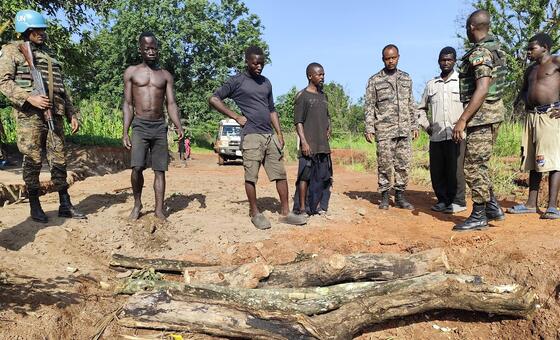
UN experts warn that renewed fighting in South Sudan is dramatically increasing the risk of mass atrocities. Here's why this crisis is escalating and what needs to happen now.
The humanitarian crisis in South Sudan is getting worse, even though global media coverage has quietly faded. That's a dangerous combination, because when the world stops watching, the worst things tend to happen in the shadows.
According to the UN Commission on Human Rights in South Sudan—a body established by the Human Rights Council—the risk of large-scale atrocities is climbing as renewed fighting spreads across the country. It's not a distant warning. It's happening right now, and the consequences could be devastating for millions of people.
### Why This Crisis Is Escalating Again
South Sudan has been through a lot since gaining independence in 2011. Civil war, political infighting, and economic collapse have left the country fragile. Now, with violence reigniting in multiple regions, the situation is spiraling in ways that feel all too familiar.
- **Renewed clashes** between government forces and opposition groups are displacing entire communities.
- **Humanitarian access** is shrinking, making it harder for aid workers to reach those in need.
- **Ethnic tensions** are being exploited by armed actors, fueling cycles of revenge and retaliation.
- **Food insecurity** is reaching catastrophic levels, with families forced to flee their homes and abandon their crops.
The UN experts aren't using alarmist language lightly. They're pointing to concrete patterns—targeted attacks on civilians, sexual violence, and the deliberate destruction of homes and livelihoods. These are the hallmarks of crimes that the international community promised would never happen again.
### What the UN Is Actually Saying
The Commission's latest report is blunt: as fighting expands, so does the likelihood of mass atrocities. That's not speculation. It's based on documented evidence from the ground, including interviews with survivors, satellite imagery, and verified reports from local partners.
> "The risk of widespread atrocities is growing with each passing day as the conflict expands," the Commission warned. "Immediate action is needed to prevent a catastrophe."
This isn't just about South Sudan's internal politics. It's about accountability. The UN has been pushing for a hybrid court to prosecute war criminals, but progress has been painfully slow. Meanwhile, victims continue to wait for justice that may never come.
### Why the World Has Looked Away
It's uncomfortable to admit, but global attention is finite. When Ukraine, Gaza, or other high-profile crises dominate the headlines, places like South Sudan slip off the radar. That's exactly when the situation becomes most dangerous.
Media fatigue is real. The same audiences that once marched for South Sudan's independence are now distracted by other wars and disasters. But the people on the ground haven't forgotten. They're living through it every single day.
### What Needs to Happen Next
The UN Commission is calling for several urgent steps:
- **A renewed ceasefire** that actually holds, backed by regional pressure and monitoring.
- **Unrestricted humanitarian access** so aid can reach displaced families before it's too late.
- **Accountability mechanisms** to ensure that those responsible for atrocities are brought to justice.
- **International engagement** that goes beyond statements and translates into real political and financial support.
None of this is easy. But the alternative—watching another African nation descend into mass violence without a global response—is simply unacceptable.
### A Crisis We Can't Afford to Ignore
South Sudan's story isn't over. There's still time to prevent the worst, but that window is closing fast. The UN's warning is a wake-up call, not just for diplomats and policymakers, but for anyone who believes that human rights matter everywhere, not just in places that make the evening news.
The next few months could determine whether South Sudan spirals into another genocide or finds a path toward peace. The choice isn't just in the hands of its leaders—it's in the hands of the international community that has repeatedly promised "never again."
Let's hope that promise means something this time.