UN Warns South Sudan Isn't Ready for December Elections
Jennifer Moore ·
Listen to this article~4 min
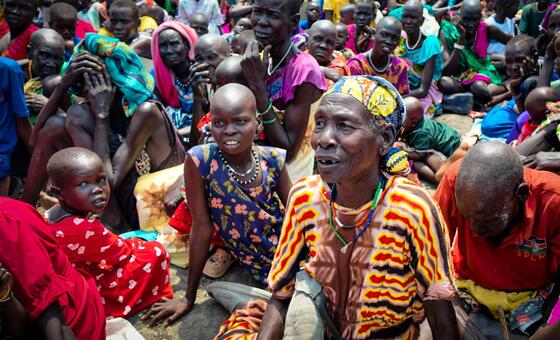
The UN warns South Sudan isn't ready for December elections as security, logistics, and voter registration gaps remain. Can the country pull off a credible vote?
South Sudan is staring down a critical moment. With general elections scheduled for December, the country's political agenda has shifted almost entirely toward preparing for the vote. But here's the catch: according to the United Nations, the conditions for a free, peaceful, and inclusive election simply aren't there yet. Not even close.
Anita Kiki Gbeho, the head of the UN Mission in South Sudan (UNMISS), delivered that sobering message during a UN Security Council meeting on Thursday. Her remarks cut through the optimism and laid bare the reality on the ground.
### What Did the UN Actually Say?
Gbeho didn't mince words. She told the Security Council that while preparations for the December polls are dominating the political conversation, the groundwork for a credible vote remains unfinished. That's not just a procedural hiccup—it's a fundamental problem when you're talking about a nation that's still healing from years of civil war.
The concerns aren't abstract. They revolve around real, tangible gaps:
- **Security**: Voters can't head to the polls if they're afraid for their lives. Large parts of the country still face instability, and that's a non-starter for any election.
- **Logistics**: In a country where infrastructure is sparse and roads turn to mud during the rainy season, moving ballots and election materials is a massive undertaking. Think about trying to deliver voting machines to remote villages with no reliable roads—that's the scale of the challenge.
- **Political Will**: Elections only work when all parties buy into the process. That means accepting results, even when you lose. And that's far from guaranteed right now.
- **Voter Registration**: You can't have an inclusive vote if millions of people aren't even registered. The clock is ticking, and the registry is nowhere near complete.
### Why December Matters So Much
This isn't just another election. South Sudan gained independence in 2011, but the country has been plagued by conflict almost since day one. A December vote was supposed to be the moment when the nation finally turned the page—a chance to choose leaders through ballots instead of bullets.
The stakes are enormous. A botched election could reignite tensions that have already cost hundreds of thousands of lives. A successful one could set the country on a path toward stability and, eventually, prosperity. That's why the international community is watching so closely.
### The International Community's Role
The UN isn't just observing from the sidelines. UNMISS has been on the ground for years, trying to protect civilians and support the peace process. But Gbeho's message suggests that the mission's patience is wearing thin. The Security Council needs to hear hard truths, even when they're uncomfortable.
There's also the question of funding. Holding a credible election in a country like South Sudan doesn't come cheap. International donors will need to step up, but they're unlikely to write blank checks if they don't see genuine commitment from South Sudan's leaders.
### What Happens Next?
Here's the uncomfortable part: nobody has a clear answer yet. The December date is still on the table, but the UN's warning makes it clear that something has to change—and fast. Either the government accelerates its preparations, or the international community needs to consider alternatives, including the politically difficult option of postponement.
For now, the ball is in South Sudan's court. The leaders have a choice: prove they can deliver the free and fair election their people deserve, or risk watching the country slip backward into chaos. It's that simple, and that difficult.
### A Final Thought
Elections are more than just a technical exercise. They're the ultimate expression of a nation's hope. And right now, South Sudan's hope is hanging by a thread. The UN has sounded the alarm. The question is whether anyone in Juba is listening.