Underground Maternity Wards: How Kharkiv Is Protecting Mothers and Babies
David Brown ·
Listen to this article~5 min
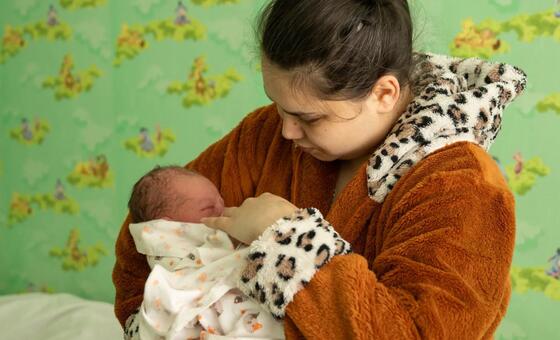
Discover how Kharkiv is moving maternity care underground with UN support, providing safe delivery rooms and postpartum care for mothers in war zones.
When you're about to bring a new life into the world, the last thing you want to think about is whether the building you're in can withstand an attack. But for thousands of women in Ukraine, that's not just a fear—it's a daily reality. As the war enters its fifth year, the strain on the country's healthcare system has become almost unbearable, especially in the regions closest to the front lines.
For moms-to-be and new mothers in these areas, getting basic medical care has turned into a logistical nightmare. Routine check-ups, emergency deliveries, and postpartum support are no longer simple errands. They're calculated risks. And the people working to fix that are doing something remarkable: they're moving entire maternity wards underground.
### Why Underground Care Matters Now More Than Ever
The situation in frontline cities is unlike anything most of us can imagine. Air raid sirens blare at all hours. Power outages disrupt equipment. And hospitals—once considered safe havens—are now targets. For pregnant women, this creates a terrifying dilemma: do you risk the journey to a clinic above ground, or do you go without care entirely?
Neither option is acceptable, which is why the recent initiative in Kharkiv feels like a lifeline. With support from the United Nations, the city is equipping underground departments specifically designed for women in labor and newborns. These aren't just bomb shelters with a few cots. They're fully functional medical units, built to provide gynecological, prenatal, and postnatal care, along with support for survivors of gender-based violence.
### What These New Underground Wards Actually Provide
Let's break down what this really means for the women who will use these facilities:
- **Safe delivery rooms** that are shielded from external threats, so doctors can focus on the birth, not the bombs.
- **Postnatal recovery spaces** where new mothers can rest and bond with their babies without the constant fear of an attack.
- **Gynecological services** for routine exams and urgent concerns that can't wait for the war to end.
- **Crisis support** for women who have experienced violence, offering a confidential space to seek help and begin healing.
It's a holistic approach. The goal isn't just to keep people alive—it's to preserve their dignity during one of the most vulnerable moments of their lives.
### The Human Side of the Crisis
Behind these statistics are real stories. Imagine being nine months pregnant, packing a bag not for the hospital, but for a basement. Or holding your hours-old baby while the ground shakes above you. That's the reality for many women in Kharkiv and other frontline cities.
One local midwife put it simply: "We're not just delivering babies anymore. We're delivering hope." That sentiment captures the spirit of this initiative perfectly. It's not merely about infrastructure; it's about telling women that their lives and their children's lives matter enough to warrant this level of protection.
### A Blueprint for the Future?
While this is happening in Ukraine, the concept of underground medical care could have implications far beyond the conflict zone. From earthquake-prone regions to areas facing extreme weather events, the idea of moving critical maternal health services to more secure locations is worth studying.
For now, though, the focus is on the immediate need. Every underground ward that opens means more mothers who can give birth with a semblance of peace. It means more babies who enter the world in a place designed for life, not fear.
It's a stark reminder that even in the darkest times, people find ways to care for each other. And for the families who will use these wards, that care is everything.
### What You Can Take Away From This
This story isn't just about a war in a distant country. It's about resilience, innovation, and the lengths we go to protect the most innocent among us. Whether it's a hospital in Kharkiv or a clinic in your hometown, the principle is the same: everyone deserves a safe place to bring new life into the world.
As we watch this unfold, it's worth pausing to appreciate the medical professionals, aid workers, and international partners who make these projects possible. They're not just building rooms. They're building futures, one underground ward at a time.