Underground Maternity Wards Are Coming to Kharkiv—Here's Why It Matters
David Williams ·
Listen to this article~4 min
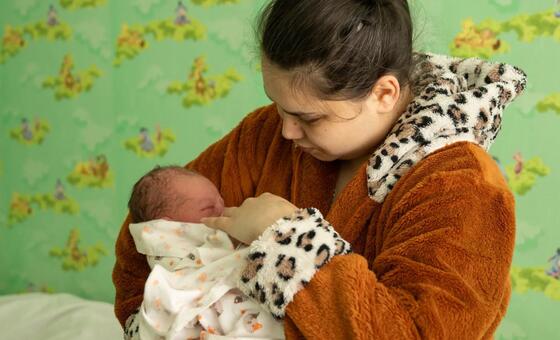
Five years into the war, Ukraine's frontline hospitals are overwhelmed. Now Kharkiv is going underground to protect mothers and newborns—here's how the UN-backed plan works.
Five years into a full-scale war, Ukraine's healthcare system is still running on fumes. The situation in frontline regions is especially tough, and for women in those areas, getting basic reproductive care has become a daily struggle. Gynecological checkups, prenatal visits, postpartum support—these aren't luxuries. They're lifelines. And right now, too many women are being cut off from them.
That's why a new initiative in Kharkiv, backed by the United Nations, is making headlines. The plan? Equip underground maternity wards specifically designed for women in labor and newborns. It's a practical, life-saving response to a crisis that isn't going away anytime soon.
### What's Actually Happening on the Ground
The idea is straightforward: move essential maternity services below ground, where they're safer from constant shelling and aerial attacks. These aren't just makeshift basements with a few beds. The goal is to create fully functional medical spaces that can handle deliveries, emergency C-sections, and neonatal care—all while staying protected from the chaos above.
For context, Kharkiv sits close to the front lines. It's been a target since day one. Hospitals above ground have been hit, damaged, or forced to relocate. For pregnant women, that means uncertainty at the worst possible time. You can't exactly reschedule labor.
### Why This Matters Beyond the Headlines
Here's the thing: war doesn't pause for medical emergencies. It just makes them harder. When women can't access prenatal care, complications go undetected. When they can't reach a delivery room, they're left with few safe options. And when they survive assault or violence, they often have nowhere to turn for help.
The UN-backed project in Kharkiv is trying to close those gaps. It's not just about delivering babies—it's about creating a safety net for women who've been through hell. That includes mental health support, counseling for survivors of gender-based violence, and basic gynecological care that's been out of reach for too long.
- Prenatal checkups in a secure, underground setting
- Emergency obstetric care, including surgeries
- Postpartum recovery space for mothers and newborns
- Referrals for survivors of gender-based violence
### The Bigger Picture for Reproductive Health in Conflict Zones
This isn't just a Ukrainian story. It's a template for how healthcare can adapt when the world turns upside down. In any conflict zone, reproductive health services are usually the first to be disrupted and the last to be restored. Women pay the price—sometimes with their lives.
The Kharkiv initiative flips that script. It says, "Even in a war zone, we can protect the most vulnerable." And it's a reminder that infrastructure isn't just concrete and steel. It's about making sure a mother can hold her baby in safety, even when the sky is falling.
Of course, there are limits. Underground wards can't solve everything. They don't fix supply chain breakdowns or staffing shortages. But they buy time. They create a space where life can begin without the soundtrack of explosions. And in a war that's dragged on for five years, that's no small victory.
### What This Means for the Future
If this works, expect to see similar models adopted elsewhere. Conflict zones across the globe could learn from Kharkiv's approach. The lesson is simple: when the ground above is too dangerous, go below. Build where the bombs can't reach. Prioritize the people who are carrying the next generation.
For now, the focus is on making these underground units operational. The UN's involvement brings funding, expertise, and international attention. But the real work happens on the ground, in the hands of doctors and nurses who refuse to give up.
It's easy to feel numb to war news after five years. But stories like this cut through. They remind us that even in the darkest places, someone is building a safer room for a newborn to take their first breath. That's worth paying attention to.