Inside the New Underground Maternity Wards Built for Wartime Safety
Wouter Meijer ·
Listen to this article~5 min
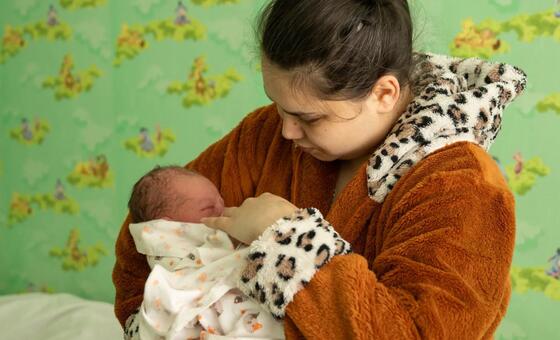
Discover how underground maternity wards in Kharkiv, backed by the UN, are giving pregnant women a safe place to give birth amid the chaos of war.
Five years into a full-scale war, life across much of Ukraine remains unpredictable. Hospitals and clinics are stretched thinner than ever, and nowhere is that pressure felt more acutely than in the regions closest to the front lines. For pregnant women and new mothers in these areas, the daily reality has become a scramble for basic care—gynecological checkups, prenatal visits, and postnatal support are no longer routine. They're lifelines that can disappear without warning.
That's why a new initiative in Kharkiv, supported by the United Nations, is turning heads. The plan is simple in concept but monumental in execution: build fully equipped underground maternity wards where women can give birth and recover without the constant threat of shelling overhead. It's not just about delivering babies—it's about creating a safe space for the most vulnerable moments of life, even when the world above is falling apart.
### Why Underground Care Matters Now More Than Ever
When you're pregnant, every checkup feels like a small victory. But in a war zone, getting to that appointment can be a dangerous journey. Air raid sirens, damaged roads, and the very real risk of attacks make routine care a logistical nightmare. For many women, the choice isn't between a hospital and a home birth—it's between taking a deadly risk or going without care entirely.
The underground wards change that equation. By moving essential services below ground, hospitals can keep operating even during active shelling. That means a woman in labor doesn't have to wait for the all-clear signal. She can get the medical attention she needs, when she needs it, without gambling with her life or her baby's life.
### What These New Wards Actually Include
The facilities aren't just concrete bunkers with a few beds. They're designed to function like a real maternity unit, just with a lot more steel and concrete overhead. Here's what's being prioritized:
- **Delivery rooms** with the same equipment you'd find in a standard hospital, including monitoring systems for both mother and baby.
- **Postnatal recovery areas** where new mothers can rest and bond with their newborns in relative peace.
- **Gynecological exam rooms** for routine checkups, screenings, and follow-up care.
- **Support services** for survivors of gender-based violence, which has unfortunately spiked during the conflict.
It's a comprehensive approach. The goal isn't just to keep people alive—it's to keep them healthy, supported, and treated with dignity, even in the middle of a war.
### The Broader Strain on Ukraine's Healthcare System
This project is a beacon, but it also highlights just how broken the system has become. The healthcare network in Ukraine was already under pressure before the war. Now, with millions displaced and medical staff either enlisted or exhausted, the cracks are widening. In front-line areas, shortages of basic supplies, medicines, and even clean water are common. Power outages make it impossible to rely on standard equipment, and cold, damp basements aren't exactly ideal for recovery.
That's what makes the UN-supported initiative so important. It acknowledges the reality on the ground and adapts to it. Instead of pretending everything is normal, it builds a solution that works within the constraints of war.
> "When a woman goes into labor, she shouldn't have to worry about whether the hospital will be bombed before her baby takes its first breath." — A sentiment echoed by healthcare workers on the ground.
### A Glimpse of Hope in a Difficult Time
No one would choose to give birth in an underground facility. But the fact that these wards exist is a powerful statement: even in the darkest times, people are still finding ways to protect life. For the mothers in Kharkiv, it means one less thing to fear. For the rest of the world, it's a reminder of what happens when communities and international organizations come together to solve impossible problems.
The road ahead is still long, and the war is far from over. But every underground delivery room that opens is a small victory for humanity. It's a sign that even when the skies are filled with danger, there's still a safe place to bring new life into the world. And that's something worth fighting for.