Underground Maternity Wards in Kharkiv: A Lifeline for Mothers and Newborns
Jessica Williams ·
Listen to this article~5 min
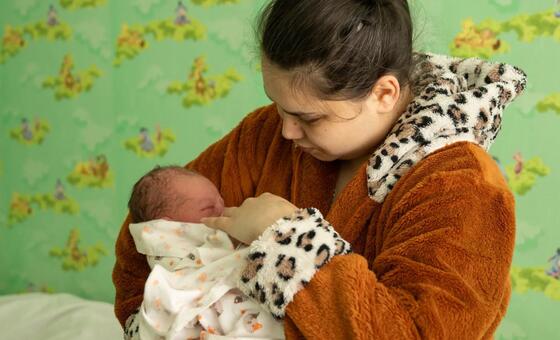
As the war in Ukraine enters its fifth year, Kharkiv is moving maternity care underground with UN support. Discover how these subterranean wards are protecting mothers and newborns from constant shelling.
Five years into the full-scale war, life in many parts of Ukraine remains anything but predictable. The healthcare system is stretched thin, working under a weight that most of us can hardly imagine. But nowhere is that pressure more acute than in the frontline regions, where the simplest acts of daily life—like going to a routine doctor's appointment—turn into logistical nightmares.
For pregnant women and new mothers in these areas, the stakes are incredibly high. Access to essential sexual and reproductive health services has become sporadic at best. Gynecological check-ups, prenatal visits, postnatal care, and even support for survivors of gender-based violence are now difficult to secure. It's a crisis within a crisis, and it's happening right now.
### A Safe Haven Below Ground
The city of Kharkiv, located just miles from the Russian border, has been a constant target since the invasion began. Above ground, the constant threat of missile strikes makes routine medical care a dangerous proposition. That's why a new initiative, supported by the United Nations, is moving essential maternity services underground.
These aren't just makeshift shelters with a few cots. The plan is to equip fully functional subterranean wards specifically designed for women in labor and their newborns. Think of it as a bunker that doubles as a delivery room—a place where a mother can give birth without the sound of air raid sirens competing with her baby's first cry.
### Why This Matters More Than You Think
You might wonder why this is such a big deal. After all, hospitals are supposed to be safe places. But in a war zone, they become targets. A maternity ward on the upper floors of a hospital is a risk that no medical professional should have to take. Moving these services underground isn't just about comfort; it's about survival.
Here's what these underground units are designed to provide:
- **Safe Delivery Rooms:** Equipped with the same medical technology you'd find in a standard delivery suite, just with a few hundred feet of concrete between the patients and the sky.
- **Neonatal Care:** Specialized incubators and equipment to care for premature or vulnerable newborns who need immediate attention.
- **Postpartum Recovery:** Spaces where mothers can rest and recover without the constant fear of shelling interrupting their healing process.
- **Emergency Support:** A dedicated area for handling complications, including access to blood transfusions and emergency surgery if needed.
### The Human Cost of Interrupted Care
The ripple effects of this disruption are profound. When women can't access prenatal care, complications go undetected. When they can't reach a hospital in time, they're forced to give birth in basements or subway stations. And when they experience gender-based violence, they often have nowhere to turn for medical or psychological support.
"It's not just about delivering babies," one healthcare worker on the ground noted. "It's about ensuring that a woman can walk into a facility and know she and her child have a real chance." That sentiment captures the gravity of the situation perfectly.
### A Model for Resilience
This initiative in Kharkiv isn't just a local fix. It's a blueprint for how urban healthcare can adapt to the realities of modern warfare. By moving critical services underground, cities can maintain a semblance of normalcy even in the most chaotic conditions. It's a grim necessity, but it's also a testament to human ingenuity and resilience.
The UN's involvement highlights a broader recognition that reproductive health cannot be treated as an afterthought in conflict zones. It must be prioritized, funded, and protected. Because when a society is under attack, the ability to bring new life into the world safely is arguably the most defiant act of all.
### Looking Ahead
This is a developing situation, and the full scope of these underground units is still being realized. But the message is clear: even in the darkest times, there's a commitment to protecting the most vulnerable among us. For the mothers of Kharkiv, that means a glimmer of hope—a safe, sterile, and secure place to welcome their children into a world that desperately needs more light.
If you're reading this and wondering what you can do, the answer is simple. Stay informed. Advocate for continued support of humanitarian efforts in conflict zones. And never underestimate the power of a safe place to heal.