How Underground Maternity Wards Are Keeping Hope Alive in Kharkiv
David Moore ·
Listen to this article~4 min
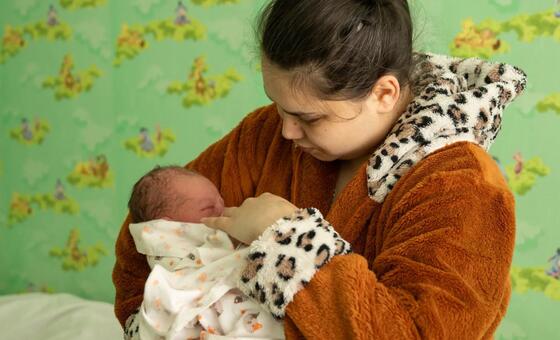
As war disrupts healthcare in Ukraine, underground maternity units in Kharkiv, backed by the UN, offer a safe haven for mothers and newborns. Discover how this initiative is providing critical care and hope.
It's hard to imagine giving birth in a subway station. But for thousands of women in Ukraine, that's not a hypothetical scenario—it's a lifeline. As the war grinds into its fifth year, the healthcare system is stretched dangerously thin, especially in frontline regions like Kharkiv. Pregnant women and new mothers there face a daily battle just to access basic medical care, let alone the specialized support they desperately need.
That's why a new initiative, backed by the United Nations, is stepping in to build underground maternity units designed specifically for women in labor and newborns. These aren't just makeshift shelters. They're fully equipped medical spaces meant to shield the most vulnerable patients from the constant threat of shelling.
### Why Underground Care Matters Now More Than Ever
The reality on the ground is brutal. Air raid sirens wail multiple times a day. Hospitals above ground are frequent targets. For a woman in active labor, every minute spent above ground is a minute of risk—not just for her, but for her baby. Moving a newborn during an attack is a nightmare no parent should have to face.
These underground wards change the equation. They offer a protected, stable environment where medical staff can focus on what they do best: delivering babies and caring for mothers, without the constant interruption of alarms or the fear of structural collapse.
### What These Underground Units Actually Provide
Let's break down what this really means for the women on the ground. It's not just about a safe room; it's about restoring a full spectrum of care that has been decimated by the conflict.
- **Gynecological Services:** Routine check-ups, screenings, and emergency consultations that were once taken for granted are now available in a secure setting.
- **Prenatal Care:** Regular monitoring for expectant mothers, including ultrasounds and fetal heart rate checks, are being conducted below ground.
- **Postnatal Support:** Recovery spaces for new mothers and their babies, with access to pediatric advice and lactation support.
- **Gender-Based Violence Response:** A critical, often overlooked component. The chaos of war tragically increases instances of domestic and gender-based violence. These units provide a safe point of contact for survivors to get medical care and psychological first aid.
### The Human Impact Beyond the Headlines
It's easy to get lost in the logistics of war—the weaponry, the territory, the politics. But this story is about something far more fundamental. It's about ensuring that life can begin safely even in the middle of hell. It's about giving a mother in Kharkiv the same chance to hold her healthy baby as a mother in Ohio.
The psychological comfort can't be overstated either. Imagine being nine months pregnant and knowing that when the bombs start falling, you have a designated, protected place to go. That peace of mind is a form of medicine in itself.
### A Glimmer of Resilience
This project is a powerful reminder of human resilience. It shows that even when the world above is crumbling, we can dig deep—literally—to protect the next generation. While the situation remains incredibly fragile, these underground wards represent a beacon of hope and a commitment to preserving life and dignity in the darkest of times.
For the families in Kharkiv, it means the difference between fear and a fighting chance. And that's a difference worth every ounce of effort.