How Underground Maternity Wards Are Keeping Hope Alive in Ukraine
Eleanor Vance ·
Listen to this article~5 min
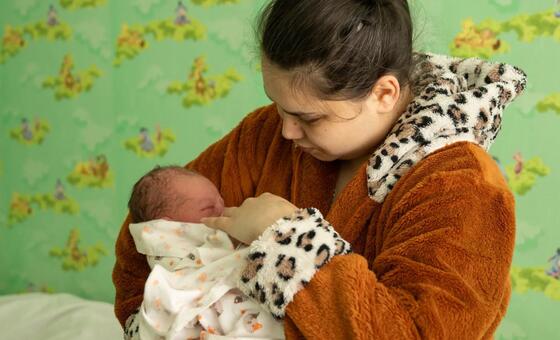
In Kharkiv, underground maternity wards backed by the UN are giving women in war zones a safe place to give birth, receive prenatal care, and find support amid relentless conflict.
It's hard to wrap your head around what it means to give birth during a war. You're not just thinking about diaper bags and nursery colors. You're wondering if the hospital will still be standing, if the power will stay on, and whether you'll even make it through the door. That's the reality for thousands of women in Ukraine right now, especially in the regions closest to the front lines.
As the conflict grinds into its fifth year, the strain on Ukraine's healthcare system has become almost unbearable. Hospitals are overcrowded, supplies run thin, and every day brings a new set of challenges. But amid all that chaos, there's a quiet effort underway to protect the most vulnerable patients: pregnant women and newborns. And it's happening underground.
### A Lifeline Beneath the Surface
In Kharkiv, one of the hardest-hit cities, a new initiative backed by the United Nations is transforming underground spaces into fully equipped maternity wards. These aren't just makeshift shelters with a few cots. We're talking about proper medical facilities designed to handle everything from routine prenatal checkups to emergency C-sections, all safely tucked below ground where bombs can't reach.
The logic is simple but powerful. When air raid sirens wail, you can't exactly pause labor. Babies don't wait for a ceasefire. By moving critical childbirth services underground, medical teams can keep working through attacks without forcing mothers to choose between their safety and their baby's health. It's a grim necessity, but it's also a profound act of resilience.
### What This Means for Women on the Front Lines
For women in conflict zones, the struggle to access basic reproductive healthcare has become a daily battle. Gynecological appointments are often canceled or relocated. Prenatal care is patchy at best. And for survivors of gender-based violence, finding support can feel nearly impossible when resources are stretched so thin.
This underground network aims to change that by offering a stable, secure place where women can receive:
- Routine checkups and prenatal screenings
- Safe delivery services with trained obstetricians
- Postpartum care for both mother and baby
- Counseling and support for victims of gender-based violence
It's not just about delivering babies. It's about restoring a sense of dignity and normalcy in a world that's been turned upside down. When you're huddled underground, waiting for the all-clear, knowing that a skilled doctor is right there with you makes all the difference.
### The Human Side of the Crisis
I've spent years studying how music and culture survive through hardship, and I've learned that people find strength in the most unexpected places. These underground wards are a perfect example. They're not just concrete rooms with medical equipment. They're symbols of defiance, proof that even in the darkest times, we refuse to give up on the next generation.
One midwife working in Kharkiv described it this way: "When I hear a baby cry down here, for a moment, the war disappears. It's just life, continuing. That sound gives me more hope than anything else." That's the kind of spirit that keeps these projects moving forward, even when the funding is tight and the risks are high.
### Why This Matters Beyond Ukraine
The situation in Ukraine is a stark reminder that reproductive healthcare is never truly secure. It's one of the first things to crumble in a crisis, and the consequences ripple outward for years. Children born in war zones face higher risks of developmental issues, and mothers who miss out on postpartum care are more likely to suffer from complications like depression or infection.
By investing in these underground facilities, the UN and local health workers aren't just solving an immediate problem. They're building a blueprint for how to protect mothers and infants in any conflict zone. It's a lesson that other countries, and even our own emergency preparedness systems, could learn from.
### A Glimmer of Hope
There's no sugarcoating it: the situation in Ukraine remains dire, and the road ahead is long. But every time a baby is born safely in one of those underground wards, it's a small victory. It's a reminder that even when the world feels like it's falling apart, we can still create spaces of safety and care.
If you're reading this from the comfort of your home, maybe take a moment to appreciate the simple things we often take for granted. A quiet hospital room. A reliable doctor's appointment. A safe place to bring a new life into the world. For the women of Kharkiv, those aren't luxuries. They're lifelines. And thanks to this initiative, they're becoming a little more accessible every day.